Article
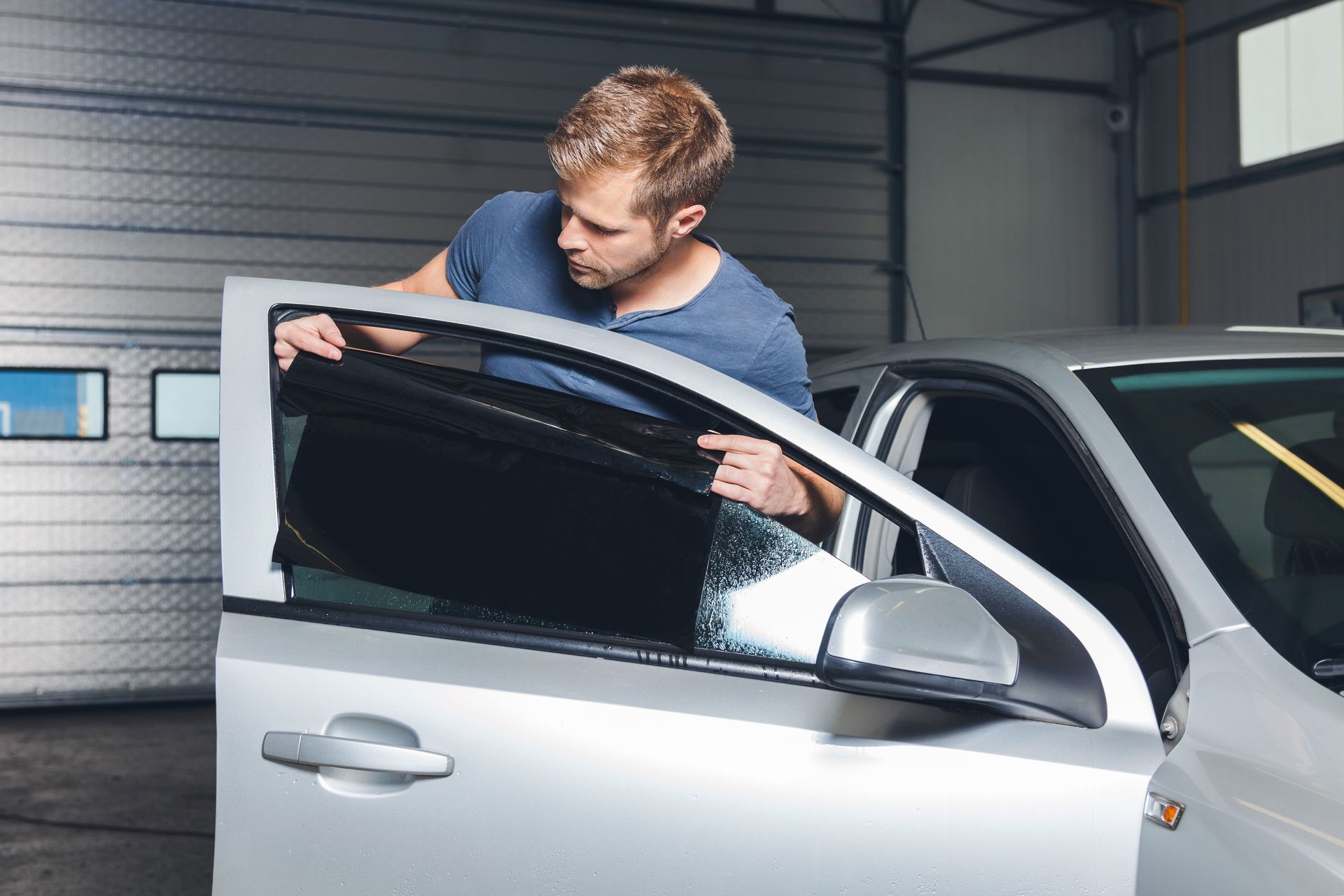
How to Remove Tint From Windows
Window tint is a popular vehicle addition. If you’re considering getting window tint added to your car, you may not know that there are a lot of different window tint darkness levels, or types of visible light transmission percentages. You might think you just bring your car in, ask to have your windows tinted, and that’s it. However, you have to decide what visible light transmission percentage you want before the window tint professional can do the job. Here’s some information on the different window tint percentages and how to choose the right type of window tint for your vehicle.
What is Visible Light Transmission?
When you see a window tint percentage, this number relates to visible light transmission, or VLT. VLT is how much visible light is able to pass through your windows. If there is a 35% VLT, then only 35% of light can pass through the windows, for example. A higher percentage lets in more light and a lower percentage lets in less light.
What Are the Popular Window Tint Levels?
Window tint levels vary as do their popularity. In general, a 35% VLT is a popular choice. Some individuals like the window tint to let less light in while other drivers may prefer a lighter tint. Whatever tint you choose, it’s important to select a legal window tint. For example, in Indiana, many types of car windows must allow at least 30% of light in. Before you have window tint added to your vehicle, always check with the local laws and regulations to ensure your vehicle will be in compliance.
How to Choose the Right Window Tint Percentage
When considering what VLT percentage to choose for your car, you likely want to focus on these specific aspects: visibility, UV protection and heat rejection, privacy, and aesthetics. Here are some considerations for each aspect of window tint selection:
- Visibility: A darker window tint may impede your visibility, so keep this aspect in mind when selecting a VLT percentage level.
- UV protection and heat rejection: A darker tint will reject heat better and promote UV protection more than a lighter one.
- Privacy: If you want more privacy when driving in your car, a lower VLT percentage will provide more privacy than a higher one.
- Aesthetics: You’ll also want to keep the aesthetics factor in mind when choosing your window tint. You might like the look of a darker window tint on your vehicle, so keep this aspect in mind when selecting your window tint.
Window Tint Levels: Comparing 15% vs. 35% vs. 50%
If you want to compare the various window tint levels, here’s what you’ll find with window tints that have a 15%, 35%, and 50% VLT level:
- 15% VLT: With a 15% VLT, you’ll have a window tint that’s very dark. You’ll have an eye-catching aesthetic, optimal privacy, and glare protection during the daytime, but nighttime hours may make it difficult for you to see when compared to other tint levels. In addition, this level of window tint offers excellent UV protection and heat rejection.
- 35% VLT: A 35% VLT offers medium window tint darkness that gives you a pleasing aesthetic without being too dark. This type of window tint offers glare protection and still allows you to see well during the night hours. In addition, a 35% VLT window tint offers a good amount of privacy. When you have this level of window tint, you’ll have moderate UV protection and heat rejection features.
- 50% VLT: A 50% VLT is a lighter window tint. You’ll have a window tint darkness level that’s subtle and offers minimal privacy benefits. This type of window tint offers easy-to-see visibility both at night and during the day. However, the lighter the window tint, the less heat rejection and UV protection you’ll receive.
Regardless of the type of window tint you choose, always make sure the window tint level is legal in your area. You can ask the window tint professional what the laws are surrounding window tint in your state and they can help guide you in the right direction. Remember, certain windows require a specific VLT percentage, so ask about this requirement as well.
Choice Window Tint Offers Professional Window Tinting Services
Now that you know a bit about window tint percentages, it’s a great time to speak to a window tint professional about having this window tinting service performed. Choice Window Tint is your go-to window tint team in Greenwood, Indiana, and surrounding areas. We offer fast, professional service, so you get your window tint applied in a quick and efficient manner, getting you back on the road with ease.
Contact Choice Window Tint today to set up your window tinting appointment in the greater Indianapolis area!
share this
CHOICE WINDOW TINT
Related POSTS
OUR RECENT BLOGS
STAY UP TO DATE
GET The
LATEST
Receive the latest product and industry information from Choice Window Tint
Contact Us