Article
The Ultimate Guide to Car Window Tinting and Care
Car window tinting is more than just a sleek application to your vehicle's windows; it’s a functional addition that can protect you from harmful UV rays, provide privacy, and even save on your energy bill. With so much at stake, it pays to understand the different types, regulations, and benefits of window tinting before you decide to make this upgrade to your ride. In this in-depth guide, we’ll peel back the layers on everything you need to know about car window tinting, ensuring you make an informed decision that keeps you cool on the road.
Car Window Tinting is More Beneficial Than You Think
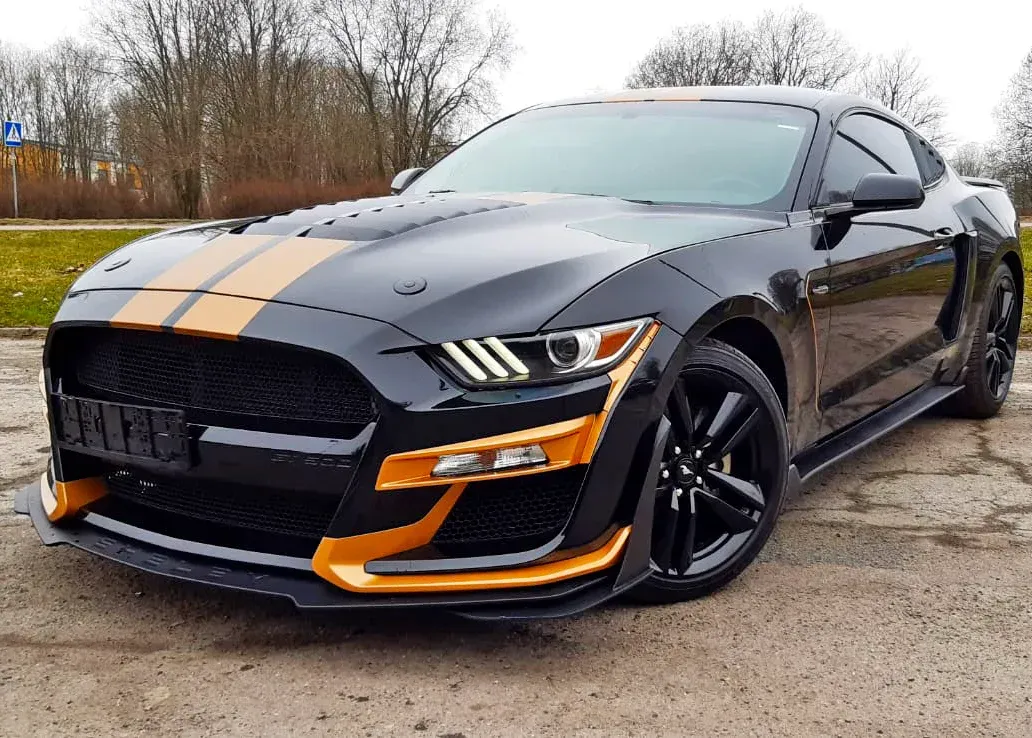
When it comes to car window tinting, the phrase 'looks can be deceiving' could not be more accurate. At a glance, tinted windows offer that urban cool to any vehicle, but the practical benefits extend far beyond aesthetics. For many drivers, the initial appeal is the improved visual appeal. Tint films can provide a luxurious finish to any car, tailoring its appearance to your preferences.
Advantages of Tinted Windows
The benefits of tinting go beyond the sleek appearance, as mentioned earlier. These opaque coatings can drastically improve the comfort and safety of your driving experience. Below, we take a closer look at the core benefits of car window tinting.
UV Protection and Heat Reduction
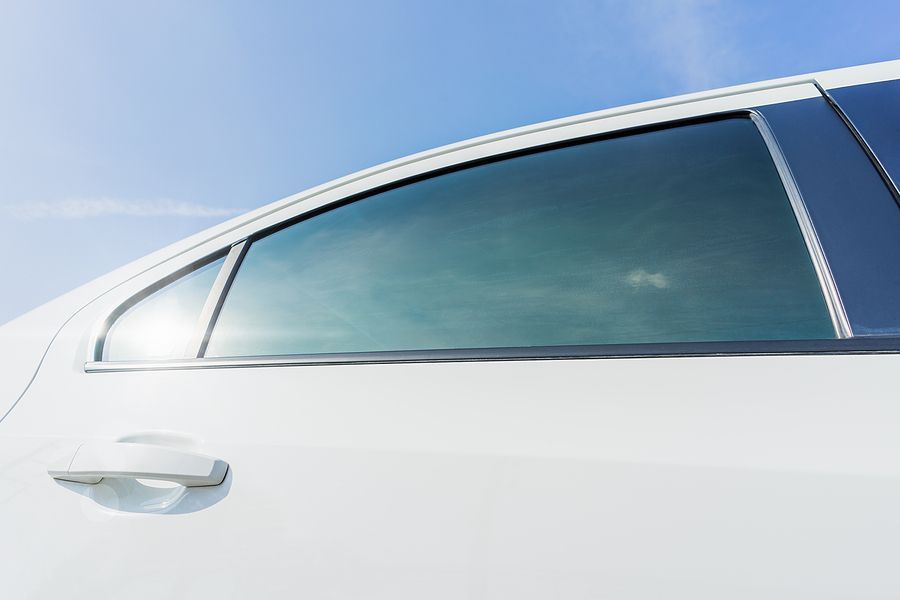
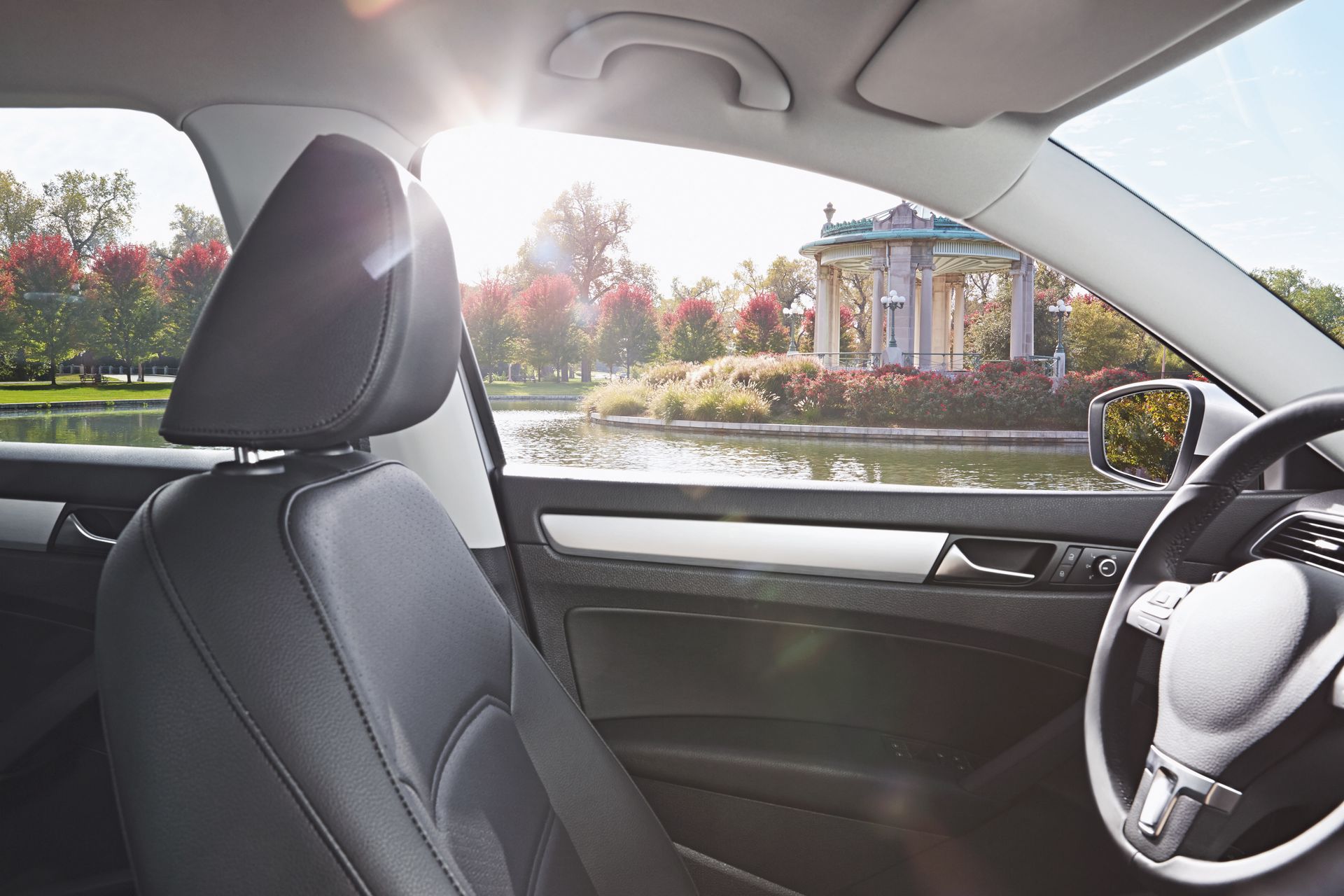
With global temperatures on the rise, staying cool in your car is important. A major benefit of window tinting is its capacity to reduce heat inside your vehicle, particularly in hot climates. Not only do tinted windows reduce the amount of visible light that enters your car, but they also block out a significant portion of UV rays, which are damaging to your skin and the interior of your vehicle. This level of protection is especially valuable for those with long commutes or frequent road trips.
Enhanced Privacy and Security
Privacy is a premium on the open road. Tinted windows help obscure the view inside your vehicle, deterring potential theft by concealing your valuables. In addition, should you be involved in an accident, tint films can help hold shattered glass together, providing a layer of protection against flying shards, which could cause injury.
Improved Aesthetics and Resale Value
A vehicle with a sleek tint looks cooler and more composed. However, aesthetics are not the only appeal. Tint can also increase the perceived value of your vehicle, potentially even leading to a higher resale price. A well-maintained tint signals to potential buyers that the owner has taken care of the vehicle and its interior.
Energy Efficiency and Fuel Savings
Tinted windows lower the internal temperature of your car, which reduces the need for air conditioning. Many drivers report significant fuel savings as a result of using their AC less frequently. More so, the reduced strain on your car's air conditioning system can lead to cost savings by extending its operational life.
Diving into the Different Types of Tint Films
Car owners can choose from various types of window tints, each with unique properties and advantages. Understanding these different materials is a vital step in the selection process.
Dyed Film
The most affordable option among tints, dyed films are created by placing a layer of dye between an adhesive and a protective outer layer. They are known for their effectiveness against fading and are non-reflective. However, compared to other tints, they offer less heat reduction.
Metalized Film
Metalized films use tiny metallic particles to scatter heath and UV rays. They are okay at blocking out heat than dyed films and are more scratch-resistant, but they can interfere with electronic signals within your car, such as radio and GPS reception. They are not highly recommended.
Ceramic Film
Ceramic tints are the newest innovation in window tint technology. They consist of a non-conductive and non-metallic ceramic particles that are small enough to be universally applied. Ceramic tints offer superior heat and UV protection even at a lighter shade, they don't disrupt electronics and are extremely durable. Although they may cost more than other tints, the increased performance justifies the investment for many drivers.
Carbon Film
Carbon window films are similar to ceramic but are less expensive. They block about 40% of the infrared radiation responsible for the heat but are usually dark enough to prevent a 99% reduction in UV rays. They often result in a matte look, but they are one of the best middle grounds in terms of price and performance.
Legal Considerations for Auto Tint
Before you commit to a particular tint, it's important to be aware of the legal restrictions in your area. Each state or country has its own regulations regarding how dark tints can be and which windows can be tinted.
Tint Darkness Levels
The darkness of a car's tint is measured by Visible Light Transmission (VLT) percentage. This percentage tells you how much visible light the tint allows into the vehicle. The lower the percentage, the darker the tint, and the less light can pass through.
National and Regional Regulations
While regulations can vary from state to state, there are general guidelines for legal tinting. For instance, a VLT of at least 70% is typically required on the front side windows, with the requirement slightly more lenient for the rear and back windows.
How to Choose the Right Window Film
Selecting the perfect tint for your car involves considering factors such as climate, purpose, and personal taste. Understanding these variables is crucial to reaping the most benefits from your investment. A high-quality tint can last for many years, while a lower quality one may bubble and peel. Once you are familiar with the types of tints and the legalities, the next step is to make an informed choice for your specific vehicle.
Tint Brands and Quality
Do your research on reputable brands and look for customer reviews to gauge the quality of a particular tint. Higher-quality tints may come with lifetime warranties that cover peeling, bubbling, and color change.
Professional Installation vs. DIY Options
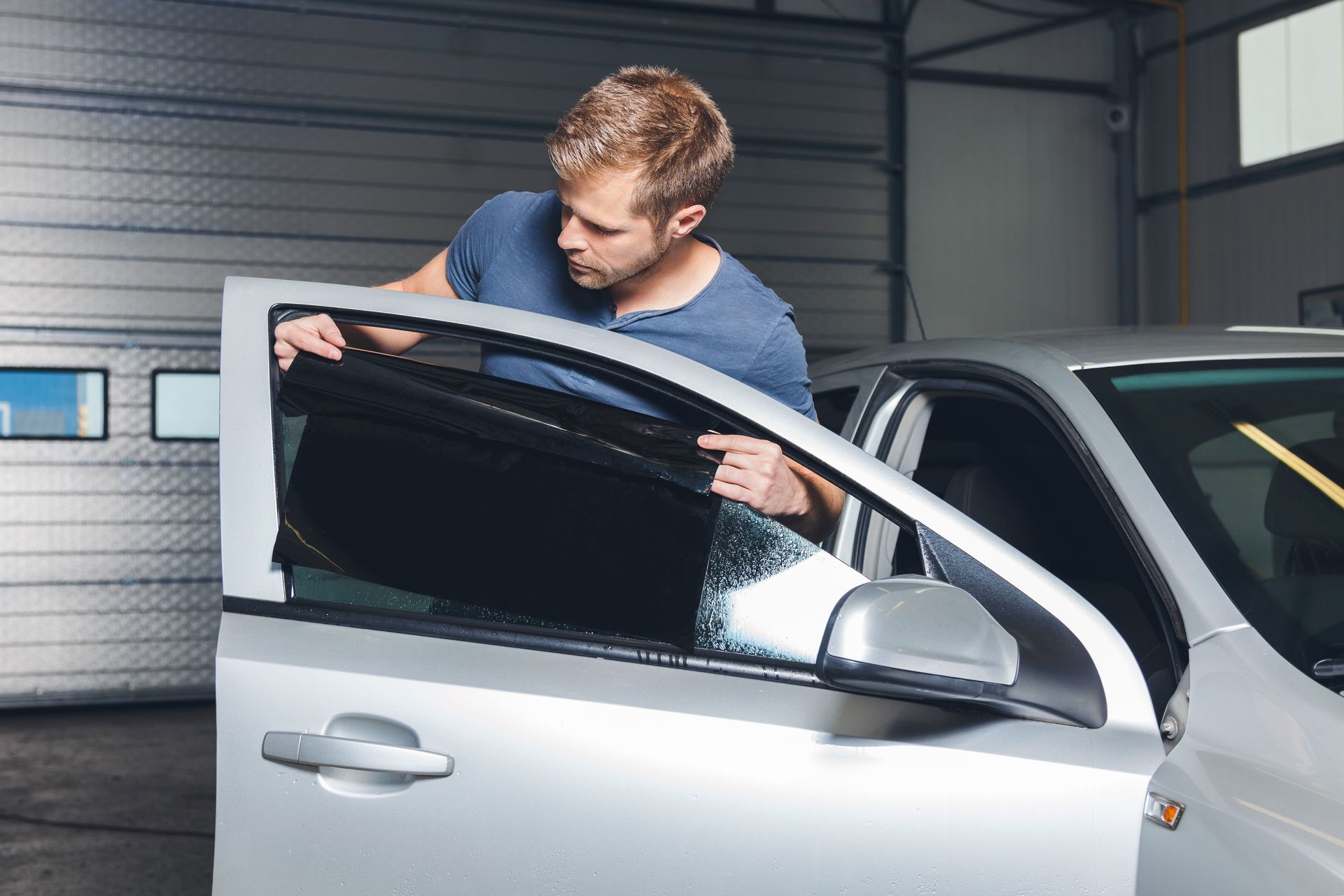
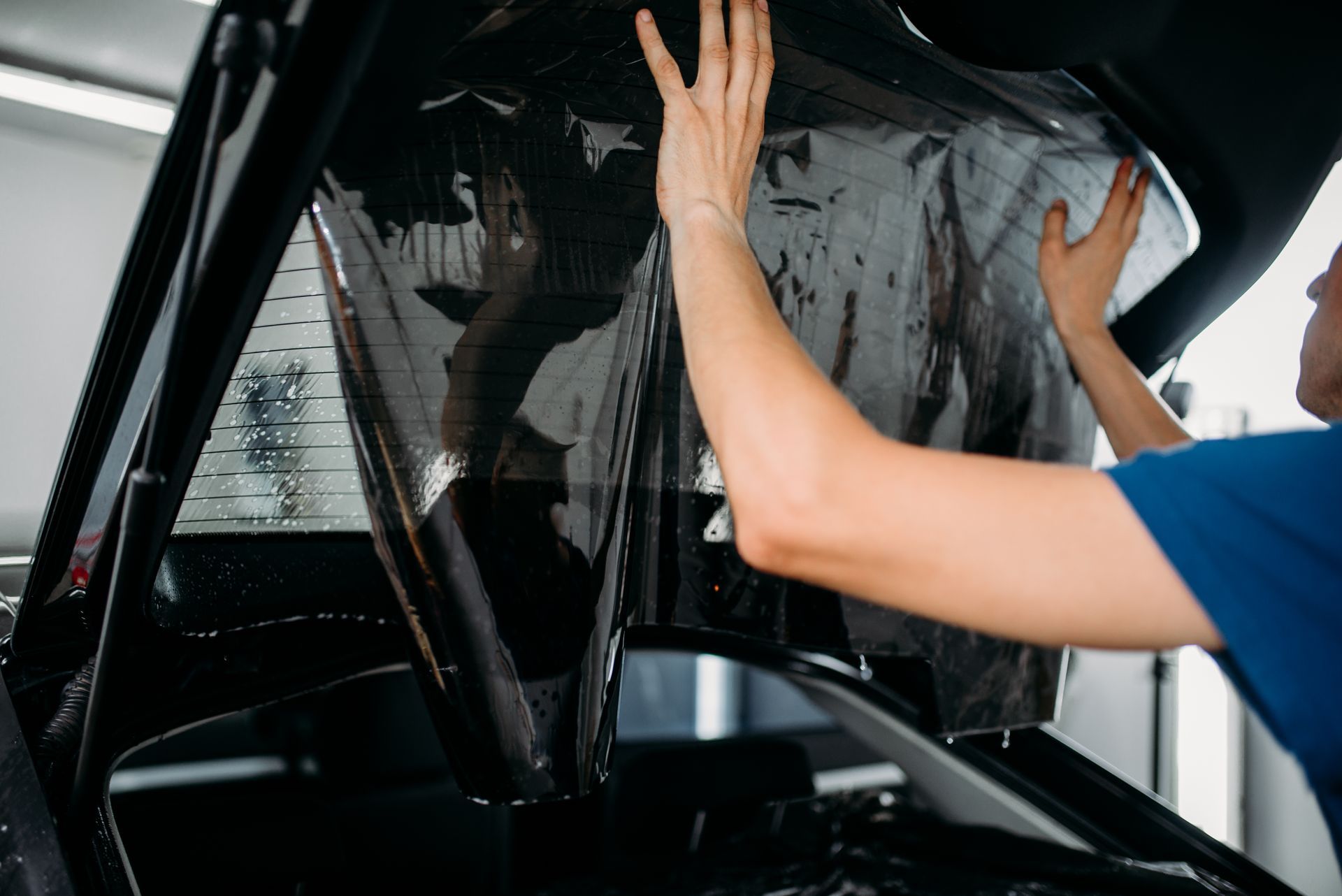
While DIY kits may appeal to the cost-conscious, professional installation is typically recommended. Certified technicians have the skills and tools to ensure your tint is applied correctly without wrinkles, bubbles, or dust, which can affect the tint's effectiveness and your visibility while driving.
Maintaining Your Tinted Windows
Tinted windows require proper care to maintain their effectiveness and visual appeal. Here are some tips that will help you achieve a long-lasting window film job:
Cleaning Techniques – Use a non-ammonia-based cleaner and a soft microfiber cloth to clean your tinted windows. Ammonia can be corrosive and damage the tint over time.
Avoiding Damage and Peeling – To prevent damage, avoid scraping ice or frost from your windows and be mindful of sharp objects that could scrape the tint. Over time, the adhesive that bonds the tint to the window can weaken, leading to peeling. Regular inspections and immediate repairs can prevent this.
Warranty Considerations – If you notice any issues with your tint, be sure to consult your warranty before attempting to correct the problem yourself, as this could void your coverage.
Final Thoughts
Car window tinting is a decision that requires thoughtful consideration and a bit of research. With the multitude of benefits they offer, from UV protection to adding a layer of security, it's no wonder why many drivers opt to tint their windows. However, ensuring you are compliant with local regulations and choosing the right type of tint are crucial steps in the process. By following the guidelines in this ultimate guide, you can hit the road with a vehicle that's cooler in every sense of the word.
In closing, consider investing in professional car window tinting as a long-term benefit for your vehicle. It's not just an upgrade in style, it's an enhancement of comfort, safety, and even environmental well-being. With careful selection, legal adherence, vigilant maintenance, and a nod to the environment, tinted windows can become an invaluable addition to your daily drive.
Ready to make your car cooler than the other side of the pillow, both literally and figuratively? Contact Choice Window Tint at 317-854-5454 for quality car window tinting services in Greenwood, Indiana. Your windows will be the envy of the parking lot, and you'll enjoy the ride in comfort and style for miles to come.
Check Out These Posts Too:
The Benefits of Auto Window Tinting: Why Every Vehicle Owner Should Consider It
Unlocking the Benefits of FormulaOne® Auto Tint by LLumar®
share this
CHOICE WINDOW TINT
Related POSTS
OUR RECENT BLOGS
STAY UP TO DATE
GET The
LATEST
Receive the latest product and industry information from Choice Window Tint
Contact Us