Article
Tinted Window Care 101: Shielding Your Ride from Sun Damage
In a world where road trips and daily commutes expose our cars to constant sunlight, tinted windows have become more than just a stylish accessory—they are an essential feature for many drivers. Tinted windows not only enhance your vehicle's appearance but also offer crucial protection against the sun's harsh rays. However, like all car features, they require proper care and understanding to maintain their effectiveness. This blog post will explore how the sun can damage your tinted windows, offer maintenance tips, and introduce innovative technologies that help preserve their quality.
the Sun's Impact on Tinted windows
The sun emits different types of rays, primarily ultraviolet (UV), visible light, and infrared radiation. Each of these components can affect your car's tinted windows and interior in various ways. UV rays, for example, are notorious for causing damage to materials by breaking down chemical bonds. Over time, they can lead to fading and deterioration of your car's upholstery and dashboard, even if you have tinted windows.
Visible light is what helps us see, but excessive exposure can cause glare and heat buildup inside your car. These can be particularly inconvenient and uncomfortable, especially during long drives. Tinting can help reduce glare and keep your car cooler, but sun exposure will gradually diminish these benefits.
Infrared radiation is responsible for the heat we feel from the sun. While it doesn't directly damage the tint, it contributes to the overall heat in your car, which can affect both the tint and interior over time. Understanding these factors is key to appreciating the wear and tear your tinted windows endure daily.
How Tint Changes Over Time
Despite their benefits, tinted windows are not immune to the effects of prolonged sun exposure. Over time, the constant onslaught of UV rays can cause the tint to fade and discolor. This fading is especially noticeable in older tints, which may not have the same UV protection levels as modern ones.
Discoloration is another common issue, with tints sometimes taking on a purple hue due to a breakdown of the dyes used in the tinting film. This not only impacts the aesthetic appeal of your car but can also reduce the tint's effectiveness in blocking out harmful rays.
Additionally, improper installation or low-quality tint films can exacerbate these issues. Bubbles or peeling along the edges are signs that your tint is deteriorating, often a result of inadequate adhesive quality. Regular inspection and maintenance can help detect these problems early.
The Importance of Proper Tint Maintenance
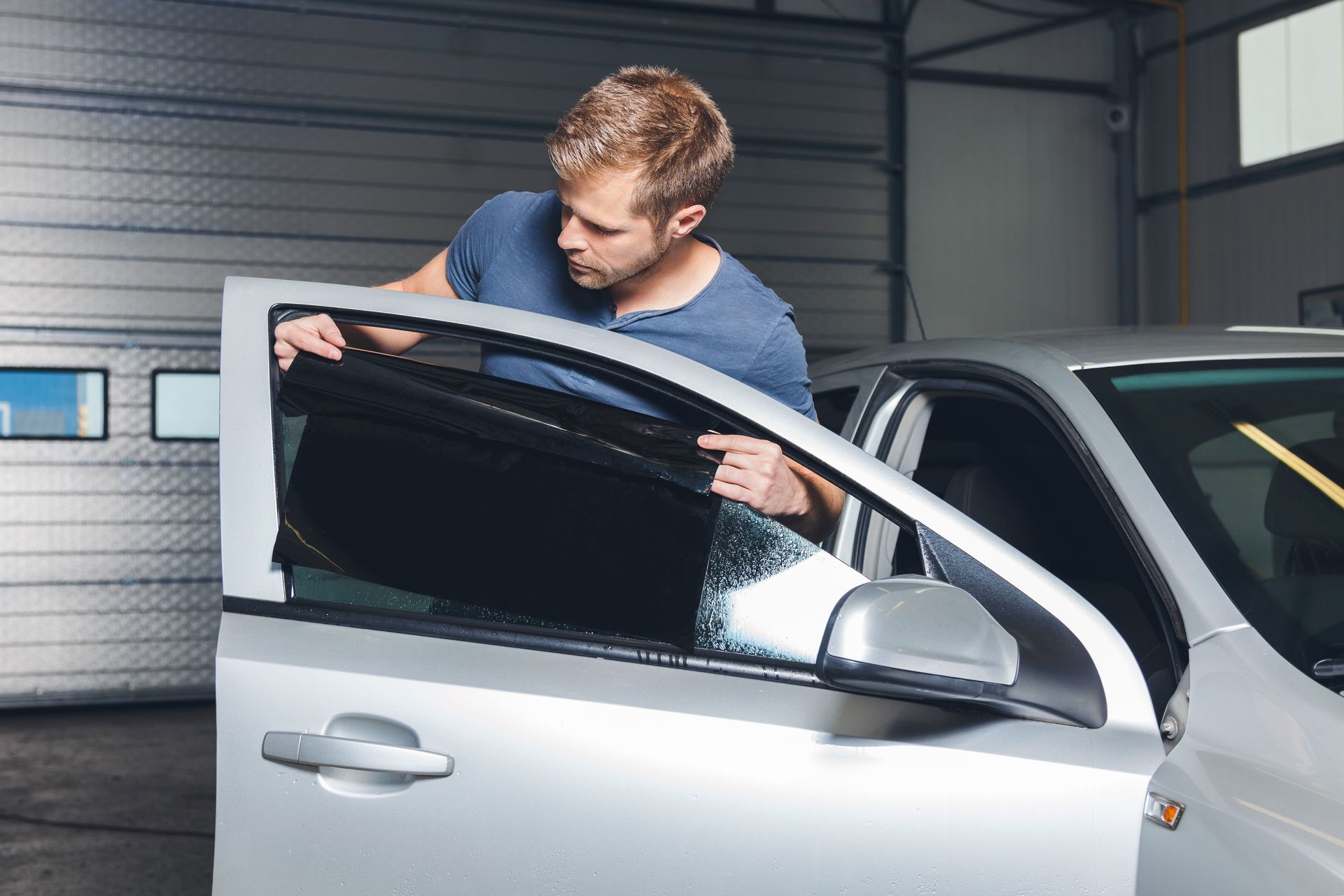
To maximize the lifespan and effectiveness of your tinted windows, consistent care and maintenance are crucial. Start by regularly cleaning your windows using a non-abrasive cleaner specifically designed for tinted surfaces. Avoid ammonia-based products, as they can break down the adhesive material in the tint film.
It's equally important to park your car in shaded areas whenever possible. This simple step can significantly reduce the amount of sun exposure your car receives, slowing down the fading process and keeping your car cooler.
Lastly, consider applying a UV protective coating to your windows for an extra layer of defense. This can help preserve both your tint and the interior of your car by blocking additional UV rays that may penetrate the tint. Regular inspections by a tinting professional can also help catch early signs of wear and recommend appropriate solutions.
Innovative Solutions Advanced Tint Technologies
Fortunately, technology has kept pace with the demands of modern drivers, bringing to market advanced tint films that offer superior protection against sun damage. Ceramic tint films, for instance, are gaining popularity for their durability and effectiveness in blocking both UV and infrared rays. Unlike traditional dyes, ceramic tints do not fade over time, ensuring consistent performance.
Another innovation is the development of multi-layered tints, which combine different materials to enhance their protective qualities. These advanced tints can significantly reduce heat buildup, providing a cooler car interior while maintaining the clarity and visibility needed for safe driving.
Finally, smart tint films that adjust their opacity based on sunlight exposure are gradually emerging. While still relatively new and expensive, these tints offer promising potential for maximizing comfort and protection without sacrificing light when it's needed.
Conclusion
Tinted windows are much more than a cosmetic choice; they play an integral role in protecting your vehicle and enhancing driving comfort. Understanding the impact of sun exposure on your tints and implementing proper maintenance practices can significantly extend their lifespan and effectiveness.
Don't leave your tinted windows to chance—seek professional advice and consider investing in advanced tint technologies to ensure your ride remains shielded from sun damage. For more personalized guidance, reach out to a tinting professional who can provide specific recommendations tailored to your vehicle's needs.
Considering window tinting for your car? Need tint repair? We got you covered. Contact Choice Window Tint at 317-854-5454 to learn more about your options for car tinting in Greenwood, Indianapolis, today. We also offer full-service paint protection films and vinyl graphics! Schedule an evaluation, today!
Related Posts:
From UV Protection to Privacy: Explore the Many Advantages of Car Window Tint
The Benefits of Auto Window Tinting: Why Every Vehicle Owner Should Consider It
Your Car's Secret Weapon: How Window Tinting Protects More Than Just Privacy
share this
CHOICE WINDOW TINT
Related POSTS
OUR RECENT BLOGS
STAY UP TO DATE
GET The
LATEST
Receive the latest product and industry information from Choice Window Tint
Contact Us