Article
Mastering the Shine: Ultimate Car Washing Guide for PPF
Keeping your car looking showroom-fresh is a dream for many car enthusiasts. If you've invested in Paint Protection Film (PPF) for your vehicle, ensuring it stays clean and shiny can be a bit of a challenge. PPF is fantastic for keeping your car’s paint safe from scratches, dings, and UV damage, but it requires special care when washing. This blog post walks you through the best methods for washing your PPF-protected car, ensuring its longevity and maintaining that glossy finish you love.
We'll cover everything from the types of PPF available and the best tools and products to use, to a step-by-step washing guide and common mistakes to avoid. By the end of this post, you'll be well-equipped to keep your car looking pristine without compromising its protective film.
Types of Automotive Paint Protection Films and Their Benefits
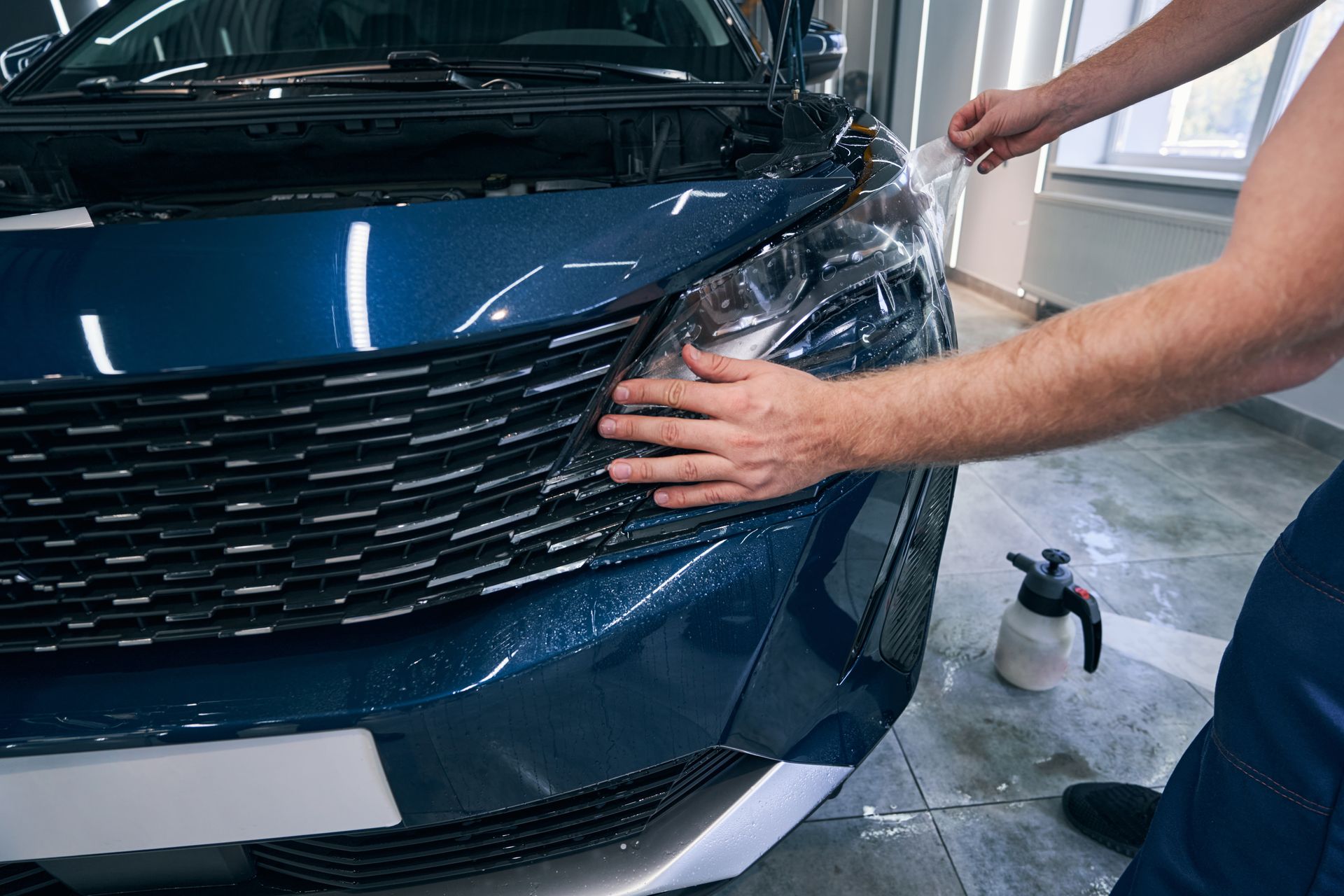
Before we get into the nitty-gritty of car washing, it's important to understand what PPF is and why it’s beneficial. There are different types of PPF, each with its own set of advantages.
Thermoplastic Polyurethane (TPU)
TPU is the most common type of PPF. It's flexible, self-healing, and offers excellent protection against rock chips, scratches, and minor abrasions.
- Self-Healing - Minor scratches and swirls disappear with heat from the sun or an engine.
- Durability - TPU films can last up to 10 years with proper care.
- UV Protection - TPU blocks harmful UV rays, preventing paint fading.
Polyvinyl Chloride (PVC)
PVC films are also popular but less flexible compared to TPU. They provide good protection against scratches and UV rays but don't offer self-healing properties.
- Cost-Effective - PVC is generally cheaper than TPU.
- Good Protection - Offers decent protection against environmental hazards.
- UV Resistance - Helps to keep your car's paint from fading.
Vinyl Wraps
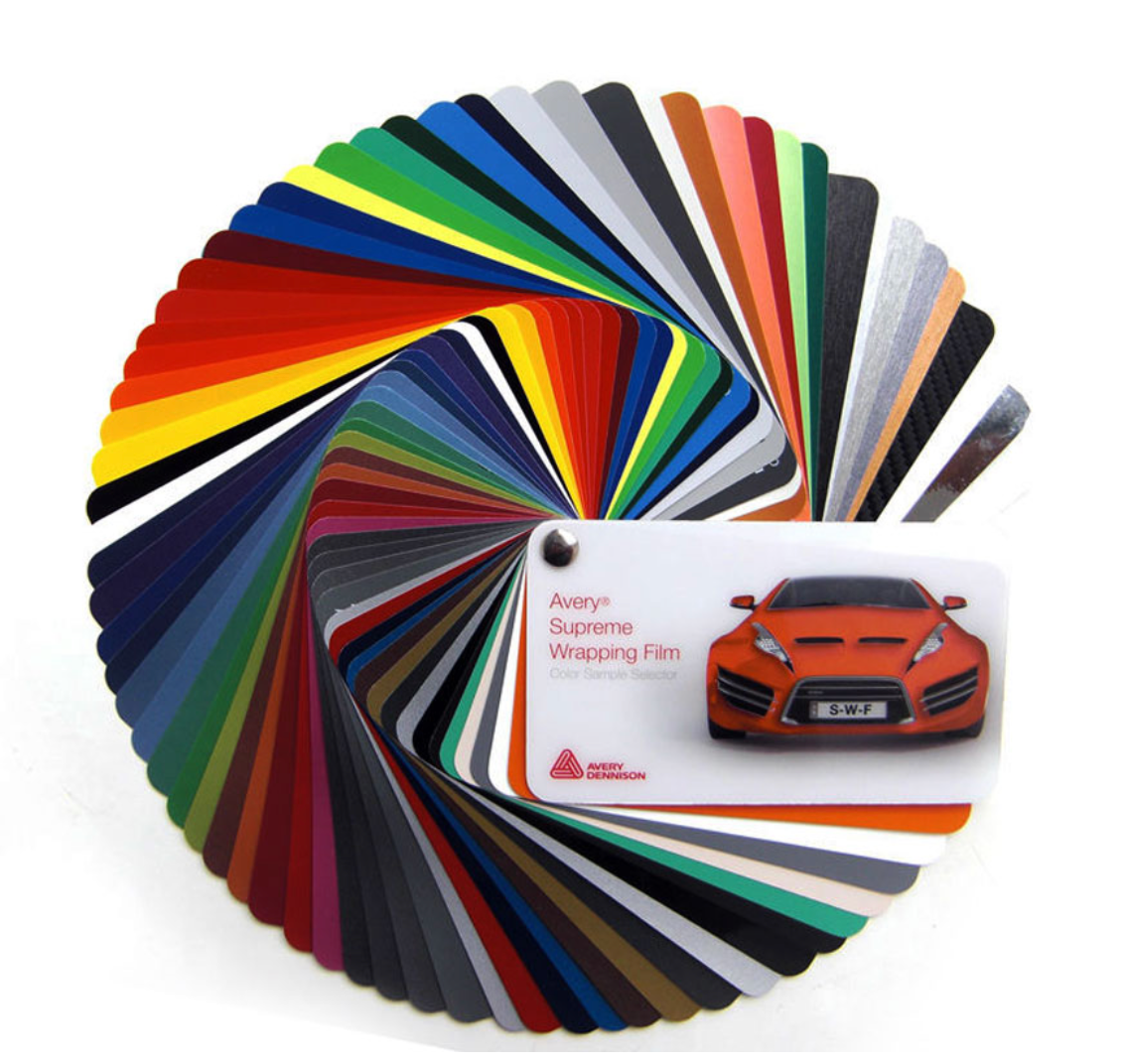
Vinyl wraps are mostly used for aesthetic purposes but offer some level of protection. They are easier to install and remove compared to TPU and PVC.
- Customizable - Available in various colors and finishes.
- Easy Installation - Can be installed without professional help.
- Moderate Protection - Offers basic protection against minor scratches and UV rays.
Essential Car Washing Tools and Products for Cars with PPF
Having the right tools and products is crucial for maintaining the integrity of your PPF while washing your car. Here's a list of items you'll need:
Microfiber Wash Mitts
Microfiber wash mitts are soft and gentle on your car's surface, reducing the risk of scratching the PPF.
- Gentle on Surface - Prevents scratches and swirls.
- High Absorption - Holds plenty of soapy water for effective cleaning.
- Reusable - Can be washed and reused multiple times.
pH-Neutral Car Wash Shampoo
Using a pH-neutral shampoo is essential to avoid damaging the PPF.
- Safe for PPF - Doesn't harm the protective film.
- Effective Cleaning - Removes dirt and grime efficiently.
- Eco-Friendly - Often biodegradable and safe for the environment.
Two-Bucket Wash System
The two-bucket system helps prevent dirt and debris from scratching your car.
- Reduces Contamination - One bucket for soapy water and another for rinsing.
- Cleaner Wash - Keeps the wash mitt free from dirt.
- Cost-Effective - Simple yet highly effective washing technique.
Microfiber Drying Towels
Drying towels made of microfiber are excellent for absorbing water without leaving streaks or scratches.
- Highly Absorbent - Dries car quickly.
- Streak-Free Finish - Leaves no water marks.
- Reusable - Durable and easy to clean.
Step-by-Step Guide on How to Safely Wash and Dry a Car with PPF
Washing a car with PPF requires a bit more attention to detail than washing a regular car. Follow these steps to ensure your paint protection stays intact.
Pre-Wash Rinse
Start by rinsing your car thoroughly to remove loose dirt and debris.
- Use a Hose or Pressure Washer - Ensure the water pressure is not too high.
- Cover the Entire Car - Make sure all surfaces are wet.
- Aid Direct Sunlight - Prevent water spots by washing in a shaded area.
Wash with Two-Bucket System
Fill one bucket with soapy water and another with plain water.
- Dip Wash Mitt in Soap - Load up the mitt with soapy water.
- Wash in Sections - Start from the top and work your way down.
- Rinse Mitt Often - Dip the mitt in the plain water bucket frequently to remove dirt.
Rinse Thoroughly
Rinse the entire car again to remove all soap and suds.
- Use Clean Water - Ensure no soap residue is left.
- Check for Missed Spots - Rinse any areas that still have soap.
- Final Rinse with Low Pressure - Use a gentle stream for the last rinse.
Dry with Microfiber Towels
Use microfiber towels to dry the car, ensuring there are no water spots left.
- Pat Dry - Gently pat the surface rather than dragging the towel.
- Work in Sections - Dry one section at a time.
- Check for Streaks - Re-dry any areas with water marks.
Common Mistakes to Avoid When Washing a Paint Protected Car
Even with the best intentions, it's easy to make mistakes that could damage your PPF. Here are some common pitfalls to avoid.
Using Harsh Chemicals
Avoid using strong detergents or cleaners that could harm the PPF.
- Stick to pH-Neutral Products - These are safe for your protective film.
- Read Labels - Ensure the product is suitable for use on PPF.
- Test on a Small Area - If unsure, test the product on a small, inconspicuous area first.
Washing in Direct Sunlight
Sunlight can cause water and soap to dry too quickly, leaving spots and streaks.
- Wash in Shade - Find a shaded spot or wash during cooler parts of the day.
- Quick Rinse - Rinse each section promptly to prevent drying.
- Use Quick Detailer - Keep a quick detailer spray handy to remove any spots immediately.
Skipping the Pre-Wash Rinse
Failing to rinse the car before washing can lead to scratches from dirt and debris.
- Always Pre-Rinse - Remove loose dirt before applying soap.
- Check for Debris - Ensure no large particles are left on the surface.
- Be Thorough - Don’t rush the pre-rinse step.
Tips for Maintaining the Shine and Protection of PPF After Washing
After washing your car, there are additional steps you can take to maintain the shine and protection of your PPF.
Regular Maintenance Washes
Frequent, gentle washes help keep your PPF in top condition.
- Weekly Washes - Aim to wash your car at least once a week.
- Use Gentle Products - Stick to pH-neutral shampoos and microfiber mitts.
- Inspect for Damage - Check the PPF for any signs of wear or damage.
Use a PPF-Safe Quick Detailer
A quick detailer formulated for use on PPF can help maintain its shine and protection.
- Enhance Shine - Adds a glossy finish between washes.
- Easy Application - Spray on and wipe off with a microfiber towel.
- Additional Protection - Provides a light protective layer.
Avoid Automatic Car Washes
Automatic car washes can be too harsh on PPF and cause damage.
- Opt for Hand Washes - Hand washing is gentler and more effective.
- Professional Services - Consider professional detailing services if needed.
- Educate Others - Inform anyone who washes your car of the special care required.
Conclusion
Proper car washing is essential for maintaining the integrity and appearance of your paint protection film. By understanding the types of PPF, using the right tools and products, and following a careful washing routine, you can keep your car looking pristine for years to come. Avoid common mistakes and take extra steps to maintain the shine and protection of your PPF. Remember, regular, proper care not only extends the life of your PPF but also enhances the overall value and appearance of your vehicle.
Looking to upgrade your ride’s current PPF? Interested in adding an automotive clear bra to your currently-unprotected car? Contact Choice Window Tint at 317-854-5454, today. Experience the ultimate level of paint protection for luxury cars and keep your vehicle looking stunning for years to come.
Related Posts:
Invisible Armor: The Comprehensive Benefits of Automotive Clear Bra
Everything You Wanted to Know About PPF for Your Vehicle
Paint Protection Films for Vehicles: The Ultimate Guide for Car Enthusiasts
share this
CHOICE WINDOW TINT
Related POSTS
OUR RECENT BLOGS
STAY UP TO DATE
GET The
LATEST
Receive the latest product and industry information from Choice Window Tint
Contact Us