Article
Everything You Wanted to Know About PPF for Your Vehicle
Are you tired of seeing the paint job on your car deteriorate day by day? If you're someone who takes pride in their vehicle's exterior, the idea of sustaining that 'just out of the showroom' look could be a top priority. This is where Paint Protection Films (PPF), commonly known as 'clear bras', come in. Despite the catchy (and amusing) moniker, both the concept and benefits of a PPF are far from a fashion faux pas.
In this comprehensive guide, we will tackle frequently asked questions about paint protection films, how they can be your vehicle's armor against the elements, and how to choose the right PPF for your beloved set of wheels.
What Are Automotive Paint Protection Films?
Paint protection films are transparent layers of thermoplastic polymer that are applied to the painted portions of a vehicle. These films not only provide a visual enhancement, giving your car that glossy showroom finish, but they also offer a strong physical barrier against a variety of environmental contaminants.
The Types of PPF Available
There are several types of paint protection films available on the market:
- Self-Healing Films: These films have a special clear coat that, when scratched, can heal to its original state when exposed to heat.
- High-Gloss or Matte Finish: Depending on your preference, you can opt for a matte finish for a sleek, understated look or a high-gloss finish for maximum shine.
- Hydrophobic Films: These films repel water, making it easier to clean and maintain the appearance of your vehicle.
- Tinted Films: Not to be confused with tinting windows, these films are lightly colored to add a subtle tint to the paint underneath.
Advantages of Using Paint Protection Films
The benefits of PPF are multifaceted:
- Protects Against Stone Chips: The immediate front of a vehicle is often pelted with stones and debris, causing unsightly chips and scratches. PPF acts as a shield in these areas.
- Minimizes Sun Damage: UV rays can dull and oxidize the paint over time. PPF helps to shield the paint against these rays, maintaining your car's color and shine.
- Easy Cleaning: PPF is easy to clean, making regular maintenance a breeze. Dirt and grime come off with a simple wash, and bugs come off with much less elbow grease.
- Lasts for Years: When professionally installed, PPF can last for several years, providing long-term protection for your car's paint.
- Preserves Resale Value: A well-maintained car with excellent exterior condition commands a higher price at resale. PPF plays a vital role in retaining the vehicle's value.
How Automotive Paint Protection Films Work
Understanding how PPF works can give you a better appreciation for why it's an essential investment in your vehicle's maintenance.
The Technology Behind PPF
Paint protection films are typically made from either polyurethane or polymer. They are engineered to be tough and flexible with a high-tack adhesive backing that sticks directly to the painted surface of the car. This thin layer of protection is designed to absorb the impact of small to medium-sized objects, dispersing the energy and preventing damage to the paint.
The Application Process
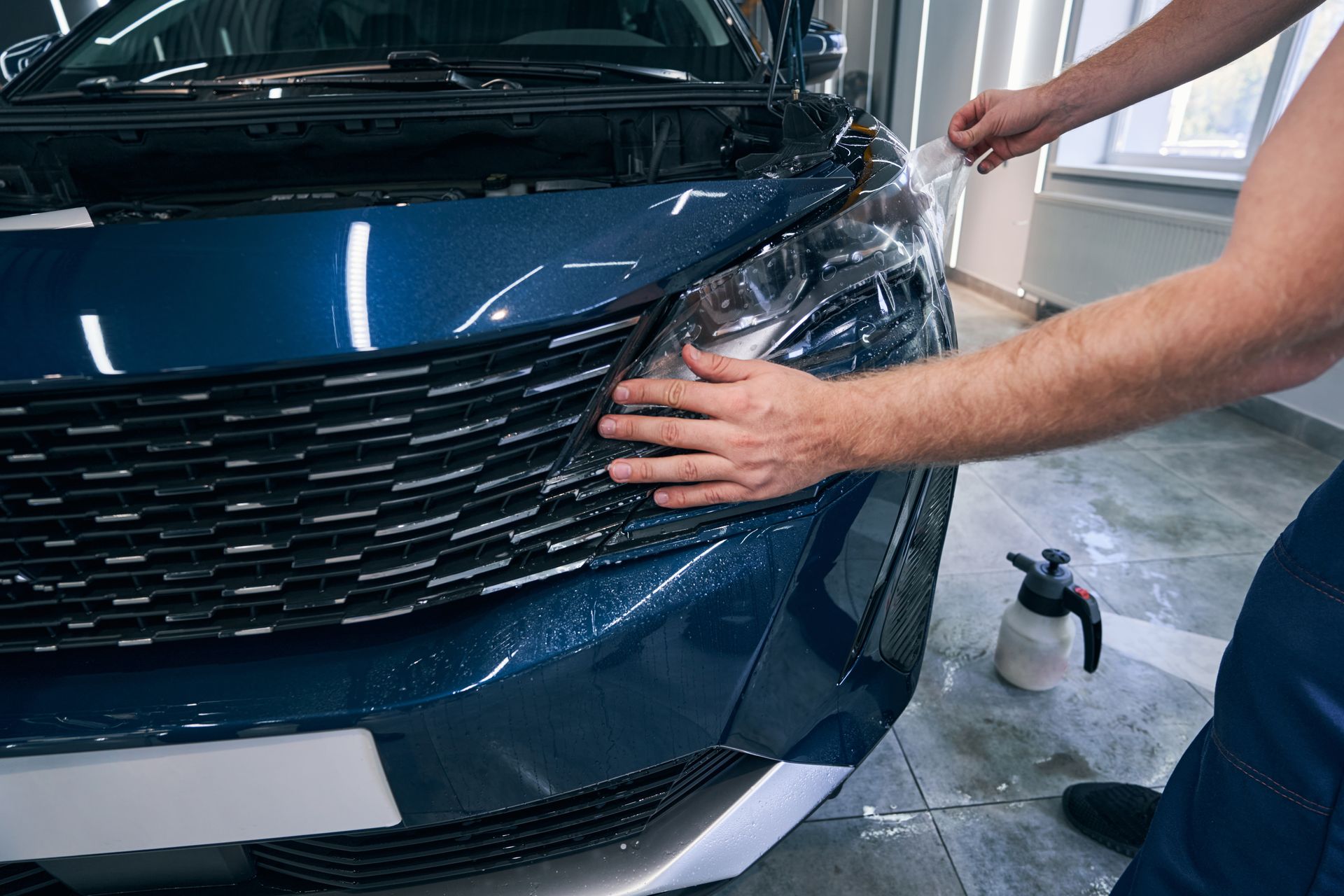
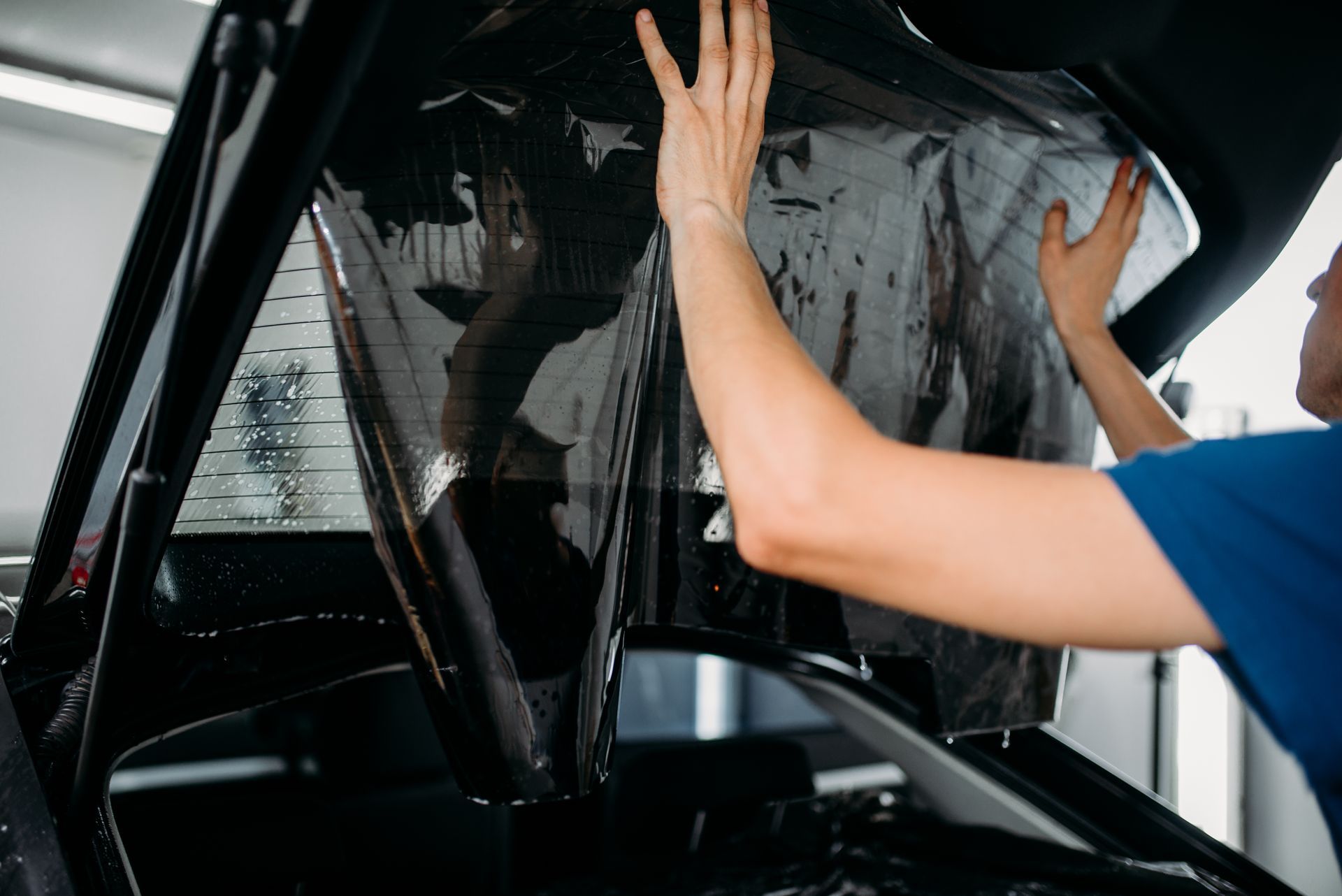
The process of applying PPF is as much an art as it is a science, and it often requires professional installation. Here's a general overview of the installation process:
- Preparation: The surface of the vehicle must be thoroughly cleaned and stripped of any contaminants before the application of PPF.
- Cutting the Film: The PPF is carefully cut and shaped to fit the vehicle's dimensions correctly. Advanced cutting equipment ensures a precise fit, leaving no exposed areas.
- Wetting the Surface: A slippery solution is used to position the PPF on the car, allowing for easy adjustment before it's squeegeed into place.
- Activation: Some self-healing PPF requires heat activation to repair surface imperfections.
FAQs about Automotive Paint Protection Films
Here are the burning questions car owners have when it comes to this protective technology:
How long does PPF last and how often does it need to be replaced?
The length of time that PPF will last depends on various factors, including the quality of the product, how it's cared for overtime, and the level of exposure to the elements. On average, you can expect a good PPF to last between five to seven years. It might need replacement when it starts to discolor or show signs of peeling at the edges.
Is PPF resistant to scratches?
PPF is relatively scratch-resistant; however, it is not immune to more severe scratches or punctures. Self-healing PPF can address minor scrapes, but it's generally recommended to avoid abrasive materials or high-pressure washing to prolong its life.
What sort of maintenance does PPF require?
Maintaining a vehicle with PPF is much like maintaining a car without it, only easier. Regular washing with a mild automotive shampoo and a soft cloth or sponge can keep the film in top condition. Avoid using abrasive cleaners or tools as they can wear down the film over time.
Does PPF affect the vehicle's appearance or the application of other products like wax?
A high-quality PPF is virtually unnoticeable when professionally installed. It does not interfere with the application of wax or other detailing products, which can be used on top of the film to maintain a high gloss finish.
How much does it cost to install PPF?
The cost of PPF installation varies depending on the size and intricacy of your vehicle, the type of film you choose, and the provider's charges. It can range from a few hundred dollars for partial coverage to over a thousand for a full-body installation.
Choosing the Right Paint Protection Film for Your Vehicle
Selecting the appropriate PPF is crucial for maximizing the protection of your car's paint. Consider the following before choosing a PPF:
- Quality of Material: Opt for a high-quality, durable film, even if it means investing a bit more upfront.
- Level of Protection: Think about where your vehicle is most susceptible to damage and choose the appropriate coverage.
- Warranty: A solid manufacturer's warranty is indicative of the quality of the film. Look for one that offers comprehensive coverage.
- Appearance and Features: Decide whether you prefer a high-gloss or matte finish and if you want additional features like self-healing or hydrophobic properties.
Conclusion
In conclusion, paint protection films are a worthwhile investment for any vehicle owner looking to safeguard their paint job against daily wear and tear. Any investment in PPF today may just spare you from a more significant paint-related expense tomorrow, making it a safety net of sorts for the value and integrity of your auto.
And don't forget to work with professional installation services—after all, when it comes to safeguarding the life of something you value, a safe bet is always the best bet. By understanding what PPF is, how it works, and how to choose the right one, you can make an informed decision that ensures your car continues to turn heads for years to come.
So, what are you waiting for? Enhance the life and appearance of your vehicle with our PPF solutions! Contact Choice Window Tint at 317-854-5454 for full-service automotive paint protection film installation in Greenwood, Indiana. Schedule an evaluation today!
Related Posts:
Paint Protection Films for Vehicles: The Ultimate Guide for Car Enthusiasts
Vinyl Graphics and Accent Wraps for Vehicles: Transforming Your Ride
Invisible Armor: The Comprehensive Benefits of Automotive Clear Bra
share this
CHOICE WINDOW TINT
Related POSTS
OUR RECENT BLOGS
STAY UP TO DATE
GET The
LATEST
Receive the latest product and industry information from Choice Window Tint
Contact Us