Article
Finding Your Shade: A Comprehensive Look at Car Window Tint Options
The decision to tint the windows of your car is far from a transparent one. It's a multi-faceted consideration that intertwines personal style, privacy, and practicality. In this guide, we break down the layers of automotive window tinting, shedding light on the types of tints available, legal nuances, important installation considerations, and how to maintain the perfect tint.
Types of Automotive Window Tint
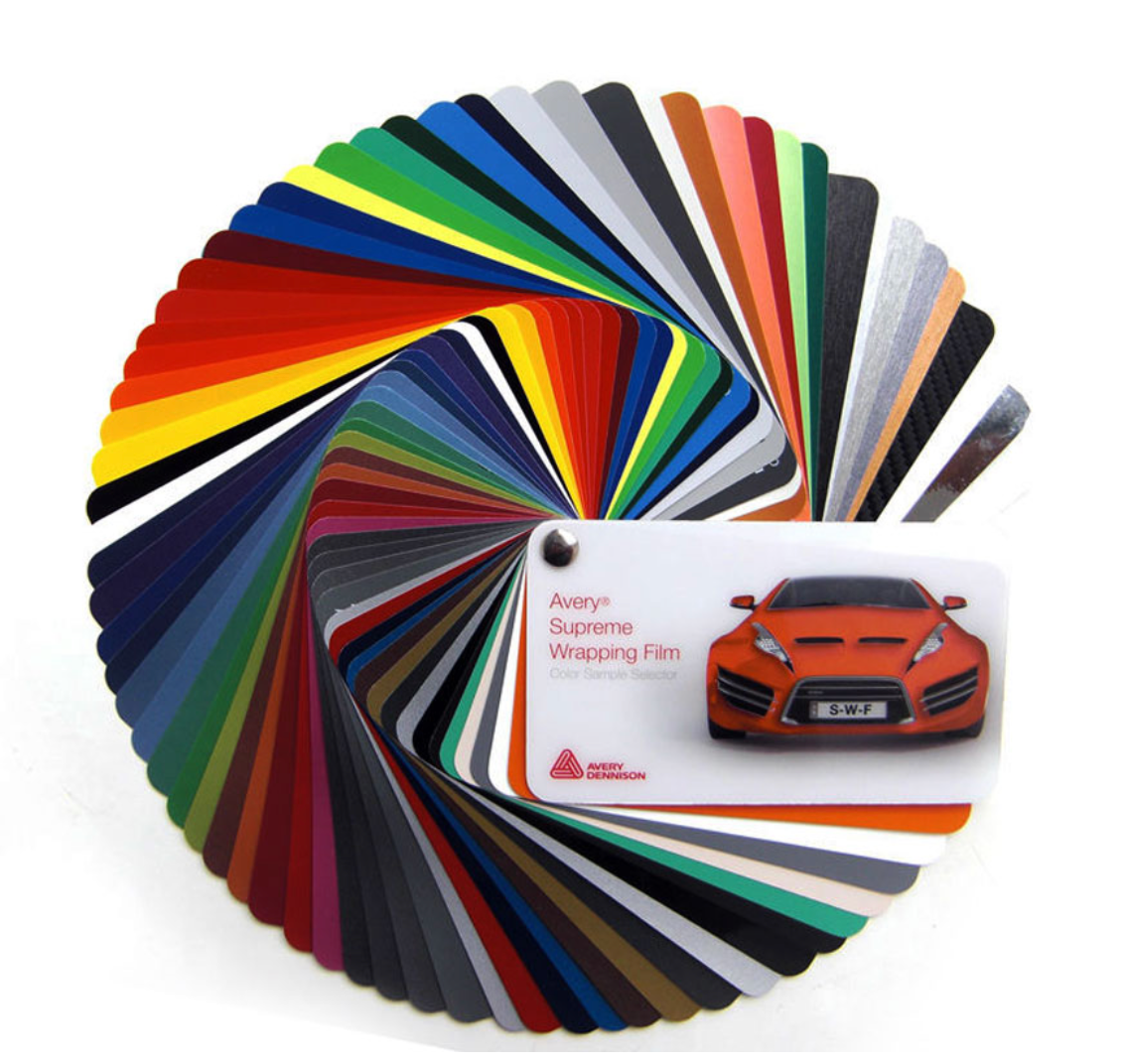
Like the diverse color spectrum, the world of car window tinting is a kaleidoscope of choices. Each tint type presents a unique blend of properties tailored to various consumer requirements.
Dyed Window Tint
Dyed automotive window films are an affordable and popular choice. They reduce glare, provide some UV protection, and offer a non-reflective appearance. However, they are less effective at heat rejection and tend to fade over time.
Metalized Window Tint
Metalized tints incorporate several metallic layers to provide durability and enhanced heat reduction. They are often more reflective than dyed tints, offer better UV protection, and are less likely to fade. Unfortunately, their metallic content can interfere with signals for remote devices and cell phones.
Carbon Window Tint
Carbon window films are known for their matte finish and their ability to block approximately 40% of the infrared heat. This type of tint is beneficial for those looking to reduce interior fading, improve UV ray protection, and enhance comfort. They are, however, a middle-ground in terms of cost and might appear slightly reflective.
Ceramic Window Tint
Ceramic tints are at the cutting edge of window tint technology. They consist of a non-conductive ceramic particle that is both non-metallic and non-fading. Ceramic tints are highly effective at blocking heat and UV rays while offering optimal visibility. They are the priciest option but are highly sought after for their advanced features.
Legalities and Regulations
Before you commit to a car window tint, it's crucial to understand the automotive window film laws and regulations in your area. Indiana, like many states, has specific restrictions regarding tint darkness and reflectivity levels. Violating these can lead to fines, citations, and the need to remove or replace the tint.
Understanding Tint Laws in Indiana
The Indiana Administrative Code (IAC) provides guidelines on permissible tint levels for different windows in a car. Knowing these values is the first step towards compliant tinting.
Tips for Compliance:
- Double checking tint levels with a certified meter
- Ensuring your installer is knowledgeable about local regulations
- Keeping documentation of your tint level in your vehicle
Window Tint Properties to Consider
When selecting a car window tint, there are several key properties to keep in mind that can affect both performance and appearance.
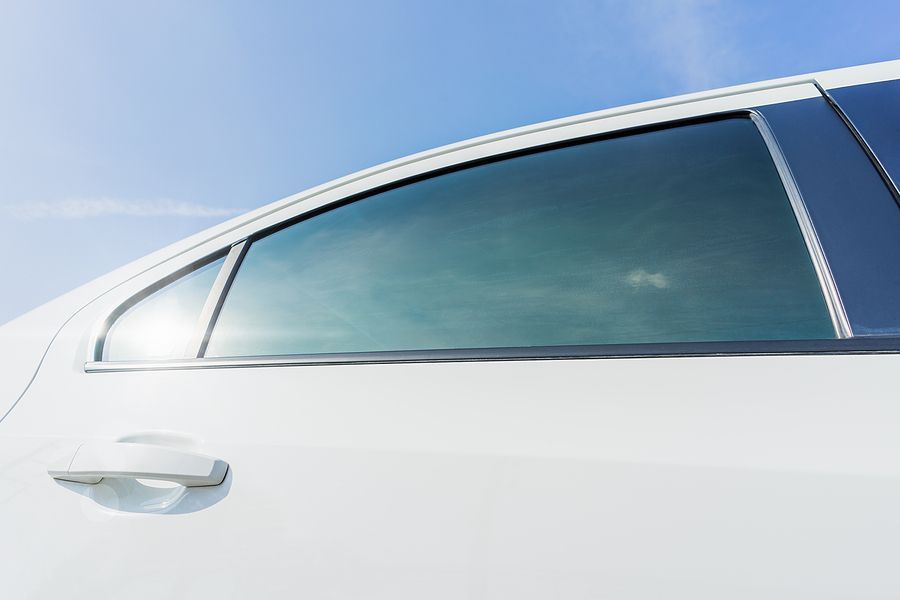
Color - The color of the tint can vary from a clear, undetectable shade to a dark charcoal, affecting your car’s aesthetic and internal darkness. Lighter tints are often preferred for front windows to maintain visibility, while darker tints are used for the rear windows for increased privacy.
Thickness - The thickness of the tint film indicates its durability. Thicker films are less likely to tear during installation or due to vandalism.
Darkness - The darkness of the tint is measured in VLT (Visible Light Transmission) percentage. This measurement indicates how much light can pass through the tint. The lower the VLT percentage, the darker the tint.
Reflective Properties - Some tints are designed to be more reflective, which can enhance privacy and reduce the interior temperature. However, highly reflective tints may be illegal in your state or municipality.
Adhesive Properties - The adhesive used in the tint film can determine how long it lasts and how well it sticks to your windows. High-quality adhesives are critical for longevity and a smooth appearance.
Installation and Maintenance
Proper installation and ongoing maintenance are essential for the life and performance of your car window tint.
Professional Installation
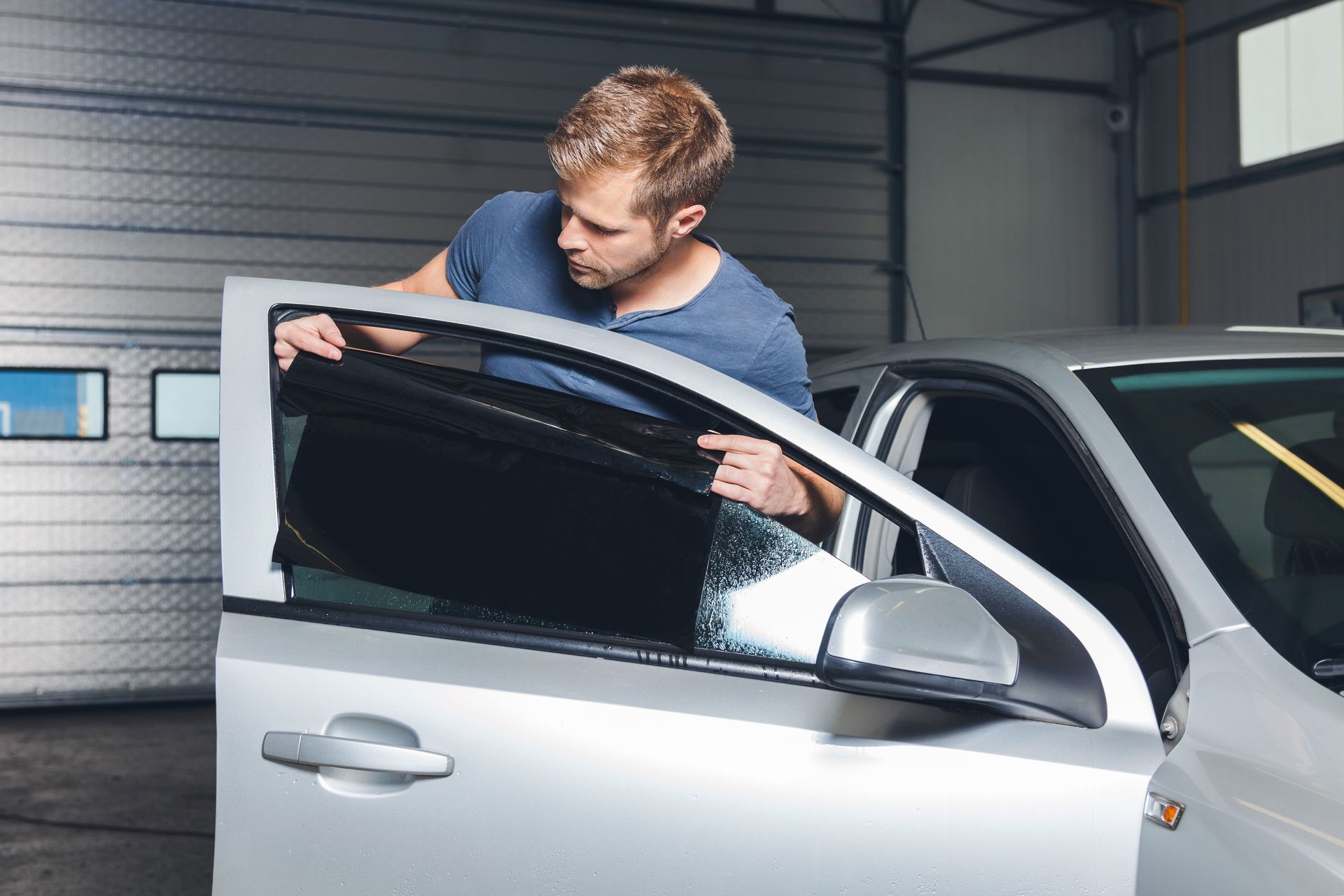
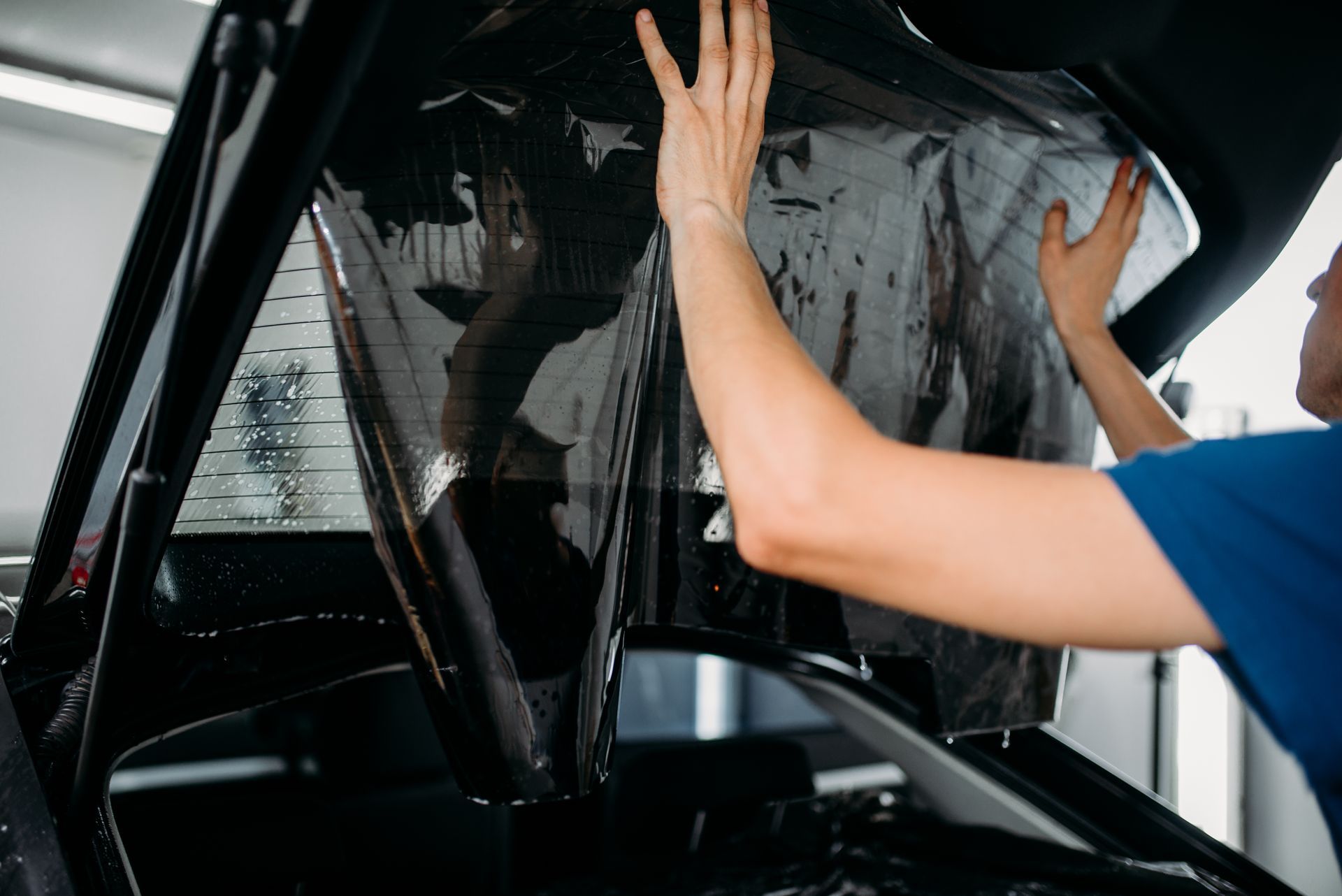
For the best results, it is recommended to have your window tint installed by a professional. Professional installers have the expertise and tools necessary to apply the film without creases or air bubbles that can be unsightly and reduce the film's effectiveness.
Car Tint Maintenance Tips
To maximize the lifespan of your tint, follow these maintenance tips:
- Clean the tinted windows with a mild cleaning solution and a soft cloth to avoid scratching the film.
- Avoid using abrasive materials or harsh chemicals on the tinted windows.
- Regularly inspect the tint for any signs of peeling, bubbling, or discoloration.
Conclusion
With a myriad of options to choose from, finding the right car window tint can be as rewarding as it is challenging. A comprehensive understanding of tint types, local regulations, and factors such as color, reflectivity, and installation quality can lead to a tinted experience that's just right. Remember, when in doubt, consult with a professional. Your car’s windows not only reflect your style but also play a vital role in your driving experience and safety.
Ready to find your perfect shade? Contact Choice Window Tint at 317-854-5454 for professional car tinting service today, and make your car's windows a reflection of your unquenched drive for practical elegance. Enjoy the ride in comfort and style for miles to come.
Check Out These Posts Too:
The Benefits of Auto Window Tinting: Why Every Vehicle Owner Should Consider It
Cooler, Safer, Better: How Tinted Windows Can Transform Your Driving Experience
Unlocking the Benefits of FormulaOne® Auto Tint by LLumar®
share this
CHOICE WINDOW TINT
Related POSTS
OUR RECENT BLOGS
STAY UP TO DATE
GET The
LATEST
Receive the latest product and industry information from Choice Window Tint
Contact Us