Article
Does Car Insurance Cover Window Tint Repair? What Every Car Owner Should Know
Loud thuds, sudden breakage, and the sight of window tint film peeling off. These occurrences can be jarring for any car owner. Tinted windows add aesthetic value and provide comfort, yet they also introduce a layer of complexity when it comes to insurance coverage. Understanding what your insurance policy does and does not cover can mean the difference between a costly out-of-pocket expense and a sigh of relief. In this extensive guide, we'll explore the often murky terrain of window tint coverage within car insurance policies, separating fact from fiction and offering practical tips to keep those tints looking fresh and your wallet happy.
The Art and Science of Window Tinting
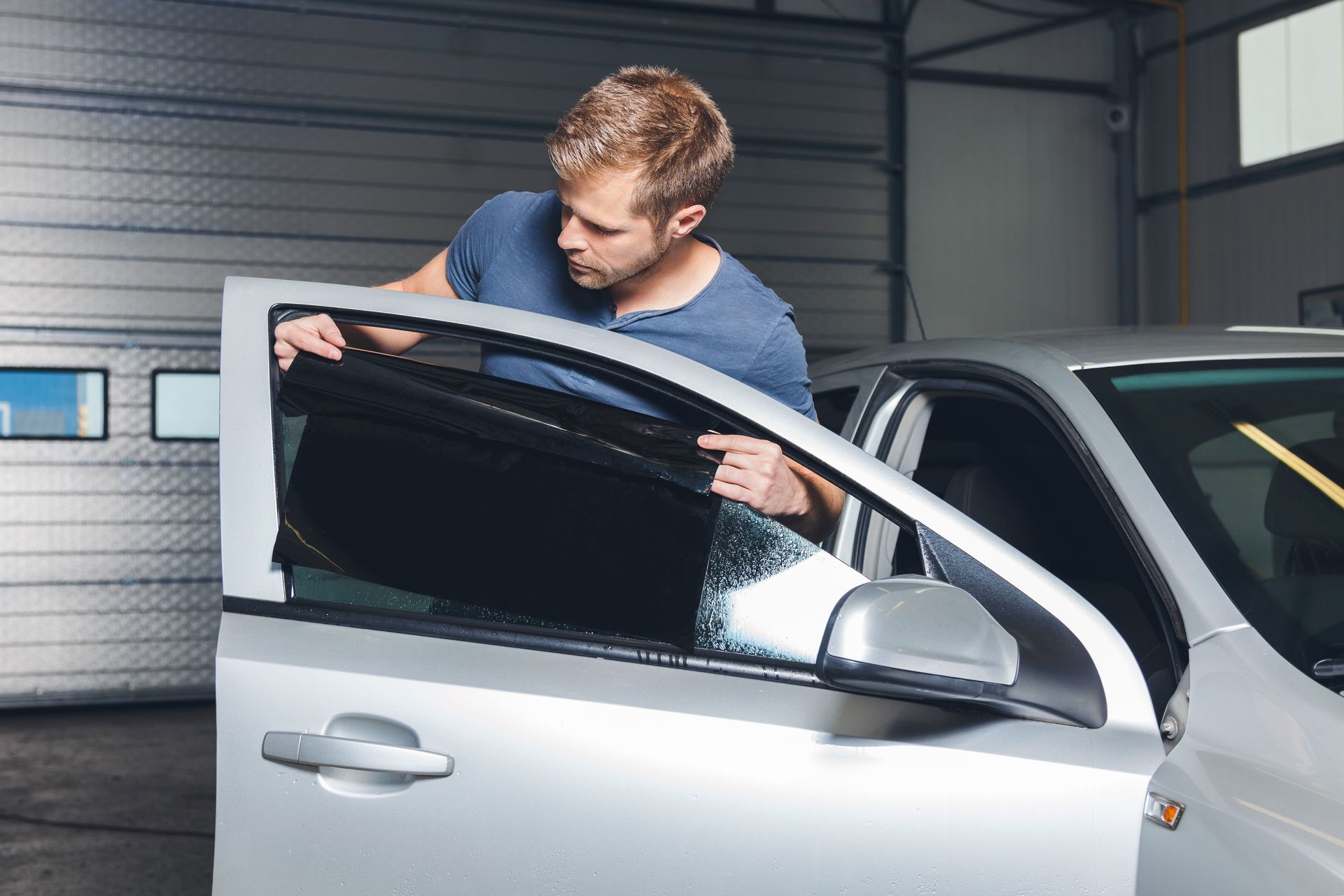
Window tinting is more than just a cosmetic enhancement. It’s a practical choice for many car owners, reducing glare, protecting against harmful UV rays, and providing a sense of privacy. However, it's crucial to know that not all tints are created equal. Some offer only minimal benefits and are more susceptible to damage, while others are highly durable, capable of withstanding the elements, and your occasional door-slam.
Why Tint Your Car Windows?
The motivations behind tinting your car’s windows can range from seeking relief from the sun's intense rays to upgrading the sleekness of your vehicle's profile. The key considerations for many include:
- UV Protection
- Heat Reduction
- Enhanced Privacy
- Glare Reduction
Types of Car Window Tint Films
Car owners have a selection of tint films to choose from, each with its own benefits and applications.
- Dyed Film: The most economical option, offering aesthetic appeal and some heat protection.
- Metallic Film: Reflects heat, adds a polished appearance, and reduces visibility into the interior.
- Ceramic Film: The gold standard for reducing heat and UV rays without interfering with electronics' signals.
- Carbon Film: Provides a matte finish and effective heat and light control without signal interference.
- Factory Tinting: Some vehicles come with a factory tint, which can still be improved upon by aftermarket installations.
Unraveling the Mystery of Car Insurance Coverage
The question of whether car insurance covers window tint repair is complex. It depends on a variety of factors, such as the type of policy you have, the cause of the window damage, and the extent of your coverage.
Deciphering Policy Types
To understand what your car insurance covers, you first need to know what kind of policy you hold. The most common types are:
- Liability Insurance
- Collision Insurance
- Comprehensive Insurance
- Uninsured/Underinsured Motorist Protection
Each of these policies may or may not include provisions for window tinting repair.
Potentially Covered Scenarios
With comprehensive insurance, you're generally covered for "acts of God" such as hail and floods, vandalism, and theft, all of which could lead to window damage. In the context of window tinting, comprehensive insurance might cover the repair of the window along with a new tint installation, following a covered event.
Exclusions and Limitations
Car insurance policies are full of exclusions and limitations, and window tinting is no exception. Regular wear and tear, poor installation, and damage from a pre-existing condition are often excluded. This means that if your window tint begins to bubble due to aging, or if it was not applied correctly, repairs might not be covered.
Mitigating Risks and Ensuring Longevity
While insurance policies can provide a safety net in certain situations, proactive measures can prevent the need for repairs and replacements.
Choosing Quality Installations and Products
Selecting reputable installers and high-quality tints can make a significant difference. Properly installed tints by professionals come with warranties and generally outlast DIY applications or substandard materials.
Window Tint Maintenance Tips
- Use non-abrasive cleaning methods to avoid scratching the tint.
- Avoid using cleaners with high ammonia content that could degrade the adhesive.
- Regularly inspect the tint for any signs of peeling, bubbling, or damage, and address issues promptly to prevent them from worsening.
When Tint Repair Is Not Covered – Exploring Self-Pay Options
Given that not all scenarios are covered by car insurance, understanding the costs involved in window tint repair can be beneficial. It allows for a clearer assessment of service providers when the need arises.
Fundamental Costs of Tint Repair
The cost of repairing a window tint can vary widely depending on the type of damage, the severity, and the type of tint. Basic repairs for small issues like peeling or minor scratching can be relatively affordable, while complete re-tinting due to extensive damage can add up significantly.
Seeking Out Professional Services
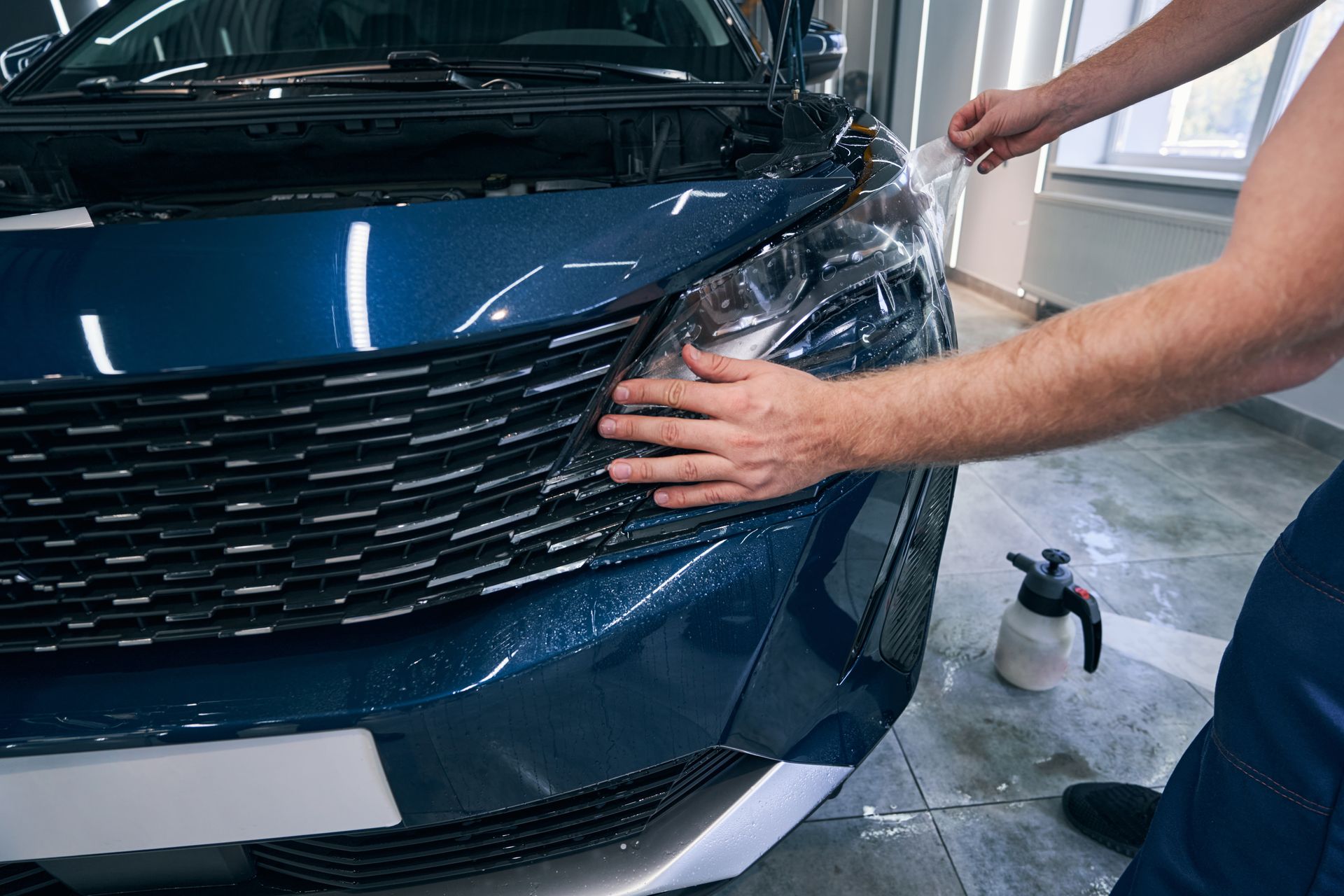
When the need for repair arises, opting for professional tinting services can provide peace of mind. These experts can determine the best course of action—repair or replacement—and the highest quality of restoration, often including a warranty for their work.
Car Insurance Policy Planning Tips for Things Like This
The matter of window tinting and insurance is one that requires understanding and foresight. By taking proactive steps and familiarizing yourself with your policy, you'll be better equipped to deal with any unexpected window tinting predicaments that may come your way.
Reading the Fine Print – Reviewing your car insurance policy or discussing it with your provider is a wise step. Look for specific language on window tint coverage, understand the deductibles and any relevant terms or conditions.
Being Prepared for the Worst – Sometimes, the best preparation is to have a contingency fund for car-related expenses, including those involving window tints. A small amount set aside each month can alleviate the financial strain of unexpected repairs.
Choosing the Right Insurance Policy – If window tinting is of particular importance to you, it might be worth considering an insurance policy that explicitly includes window tint coverage or one that has a reputation for flexibility in claims related to tints.
Regularly Reviewing and Updating Your Coverage – Just as the tint on your windows can wear and need updating, so too can your insurance policy. Make it a habit to review your coverage periodically, making adjustments as needed to reflect changes in your vehicle and personal circumstances.
In Summary
Window tinting on your car can be a personal investment that lasts years. However, should the unexpected strike and your tint become damaged, it's comforting to know where you stand with insurance coverage. By understanding the nuances of your policy, maintaining your tint with care, and being prepared for the potential costs, you can ensure that window tint woes don't darken your driving experience.
Is your existing tint job looking a little worse for wear? We can help! Contact Choice Window Tint at 317-854-5454 for quality car window tinting services in Greenwood, Indiana. Your windows will be the envy of the parking lot, and you'll enjoy the ride in comfort and style for miles to come.
Check Out These Posts Too:
Finding Your Shade: A Comprehensive Look at Car Window Tint Options
The Benefits of Auto Window Tinting: Why Every Vehicle Owner Should Consider It
Unlocking the Benefits of FormulaOne® Auto Tint by LLumar®
share this
CHOICE WINDOW TINT
Related POSTS
OUR RECENT BLOGS
STAY UP TO DATE
GET The
LATEST
Receive the latest product and industry information from Choice Window Tint
Contact Us