Article
Shade Your Drive: A Complete Guide to Auto Window Tinting
In the world of automotive customization, auto window tinting stands as a popular choice for car enthusiasts and practical drivers alike. It’s not just about aesthetics—tinting your car windows can enhance comfort, protect your interiors, and even improve safety on the road. But how do you get started, and what should you know before taking the plunge?
This comprehensive guide is crafted for car owners and drivers who are considering window tinting for their vehicles. It will walk you through the myriad benefits of window tinting, explore various types of tinting films, and shed light on the legal aspects you need to be aware of. You’ll also learn about the differences between professional and DIY installations and get a sneak peek into the tinting process itself. Plus, we’ll tackle some frequently asked questions and debunk common myths, ensuring you’re fully informed and ready to make the best decision for your car.
The Undeniable Benefits of Auto Window Tinting
For many, the primary allure of auto window tinting lies in its ability to transform the look of a vehicle. With a sleek, modern appearance, tinted windows can elevate your car’s style, turning heads wherever you go. But aesthetics is just the tip of the iceberg when it comes to the advantages of window tinting.
One of the most compelling benefits is the significant reduction in ultraviolet (UV) ray exposure. Prolonged UV exposure is not only harmful to your skin but also causes damage to your car’s interior, including fading upholstery and cracking dashboards. Window tinting effectively blocks up to 99% of harmful UV rays, providing essential protection for both your health and your vehicle.
Comfort is another key benefit, as window tinting helps regulate the temperature inside your car. By reducing solar heat gain, tinted windows ensure a cooler, more comfortable ride, even during the hottest summer days. This can lead to less reliance on air conditioning, potentially improving fuel efficiency.
Types of Automotive Window Films and Their Features
When it comes to choosing the right window tinting film for your car, understanding the different options available is crucial. Each type of film offers unique features and benefits, so it’s important to consider what aligns best with your needs.
Dyed window film is one of the most cost-effective options and provides a classic, non-reflective appearance. It absorbs solar heat and reduces glare, making it a popular choice for those on a budget. However, dyed films may fade over time and offer less UV protection compared to other types.
Metalized window film contains tiny metallic particles that reflect sunlight, helping to reduce heat and provide significant UV protection. These films are durable and scratch-resistant, but they may interfere with electronic devices such as GPS and cellphones due to their metallic content.
Carbon window film is a step up from dyed films, offering better heat reduction and a sleek, matte finish. Carbon tint films don’t fade over time, making them a long-lasting choice. They also provide excellent UV protection without the potential interference issues associated with metalized films.
Ceramic window film is considered the top-tier option in the world of window tinting. Made with nanotechnology, ceramic films offer superior heat reduction, exceptional clarity, and the highest level of UV protection. Although they come at a higher price point, their non-conductive nature means they won’t affect your electronics.
State Regulations and Legal Considerations
Before you tint your car windows, it’s crucial to be aware of the legal regulations that govern window tinting in your area. Each state has specific laws regarding the Visible Light Transmission (VLT) percentage allowed for front, back, and rear windows. VLT refers to the amount of visible light that can pass through the tinted film, and different states have different requirements.
For instance, some states allow as low as 20% VLT on rear side windows, while others may require a minimum of 35%. Knowing these regulations can help you avoid fines and ensure your vehicle remains road-legal. Here in Indiana, the laws are clear: 30% VLT is the minimum allowed for front side windows, while rear and back windows can have any level of darkness.
It’s also worth noting that some states have additional stipulations concerning reflective or metallic tinting films. Be sure to research the specific laws in your state or consult with a professional installation service that’s familiar with local regulations.
Professional vs. DIY Window Tinting
Deciding between professional and DIY window tinting can be a tough choice. Both options have their merits, but understanding the pros and cons of each can help you determine the best approach for your needs.
Professional window tinting services offer several advantages. First and foremost, you can expect a high-quality finish with no bubbles or imperfections, thanks to the expertise of trained technicians. Most professional services also provide warranties, giving you peace of mind knowing you’re covered in case of defects or issues down the line.
On the other hand, DIY window tinting might appeal to those looking for a cost-effective solution. While you can purchase pre-cut films online, the success of a DIY installation largely depends on your skill level and patience. Improperly applied tint can result in unsightly bubbles and can potentially void any manufacturer warranties on the film.
Ultimately, if you’re confident in your abilities and willing to put in the time and effort, DIY tinting can be a rewarding project. However, for those seeking a flawless finish and reliable warranty, professional installation is likely the better option.
The Window Tinting Process What to Expect
Whether you choose professional or DIY installation, knowing what to expect during the window tinting process can help you prepare and ensure a smooth experience.
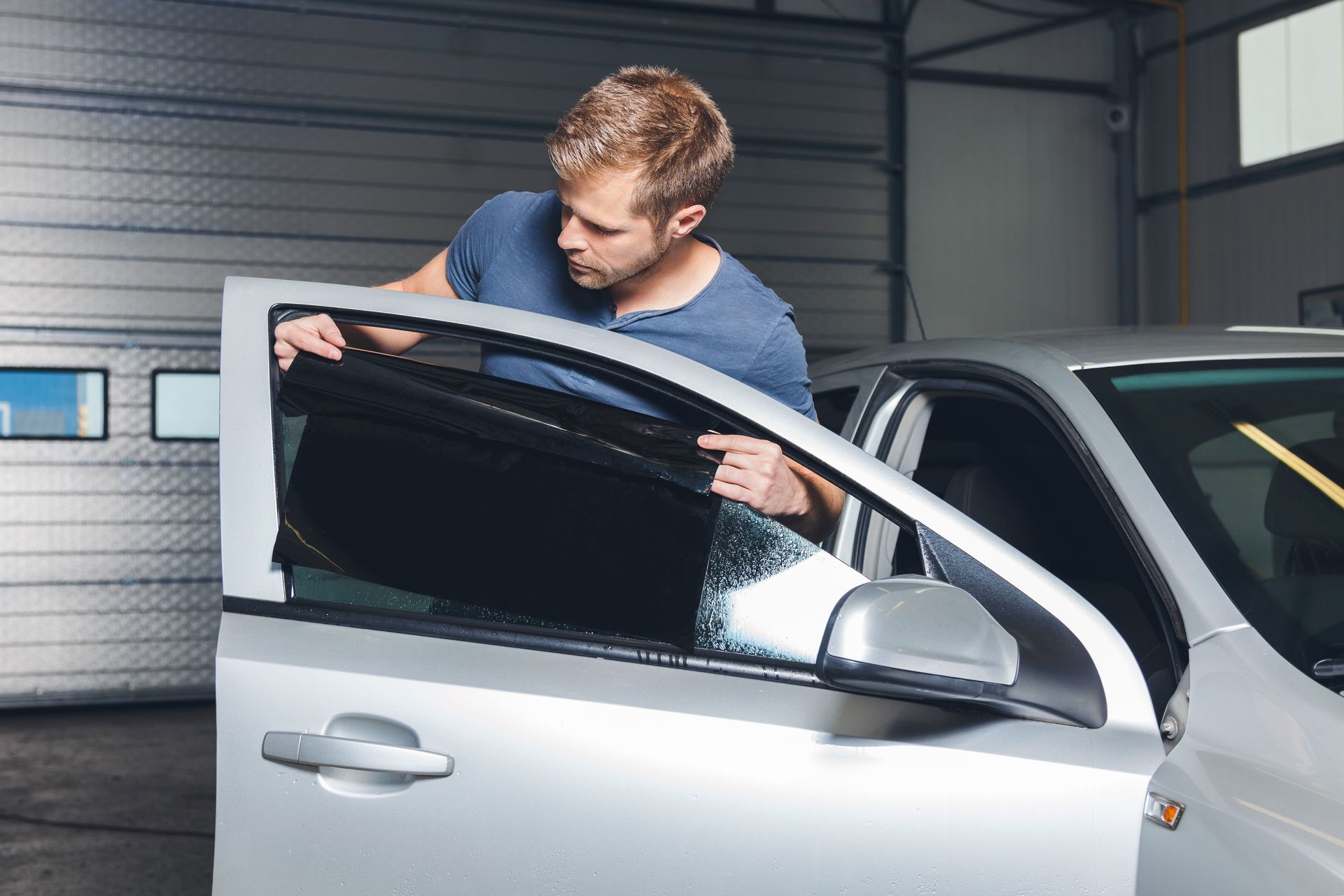
The first step involves thoroughly cleaning the windows to remove any dust, dirt, or debris. This step is crucial, as even the tiniest speck can lead to bubbles under the film. Once the windows are clean, the tinting film is carefully measured and cut to fit the exact dimensions of each window.
Next, the film is meticulously applied to the interior side of the windows using a special adhesive. This process requires precision to ensure a seamless application, which is why professional installers often achieve better results. After installation, the film needs time to cure, a process that can take several days depending on humidity and temperature.
Post-installation care is vital to maintaining the integrity of the film. It’s recommended to avoid rolling down the windows for at least three days to prevent peeling. Additionally, use a soft cloth and non-ammonia-based cleaner to clean the tinted windows, preserving their appearance and functionality.
FAQs and Common Myths About Window Tinting
Auto window tinting often comes with its fair share of questions and misconceptions. Here, we address some of the most common inquiries to provide clarity and ease any concerns you might have.
Does window tinting affect nighttime visibility? While it’s true that darker tints can reduce visibility at night, opting for a film with a higher VLT can mitigate this issue. Many modern films are designed to offer excellent clarity while still providing UV protection and heat reduction.
Will window tinting void my car’s warranty? Generally, window tinting does not void the warranty of your vehicle, but it’s always advisable to check with your car manufacturer or dealership. Some films come with their own warranties that protect against bubbling, peeling, and fading.
Is window tinting maintenance-intensive? Not at all! With proper installation, window tinting requires minimal maintenance. Following the recommended cleaning methods and avoiding harsh chemicals will help maintain the appearance and longevity of the film.
Conclusion
By now, you should have a comprehensive understanding of the many benefits and considerations of auto window tinting. From enhanced aesthetics and UV protection to improved driving comfort, tinting your car windows is an investment that pays off in multiple ways.
If you’re ready to take the next step, we encourage you to reach out to a professional tinting service to discuss your options and schedule an appointment. With their expertise and your newfound knowledge, you’re well-equipped to make an informed decision that enhances your vehicle and elevates your driving experience. And remember, stay informed about local regulations to keep your beautifully tinted vehicle roadworthy and compliant!
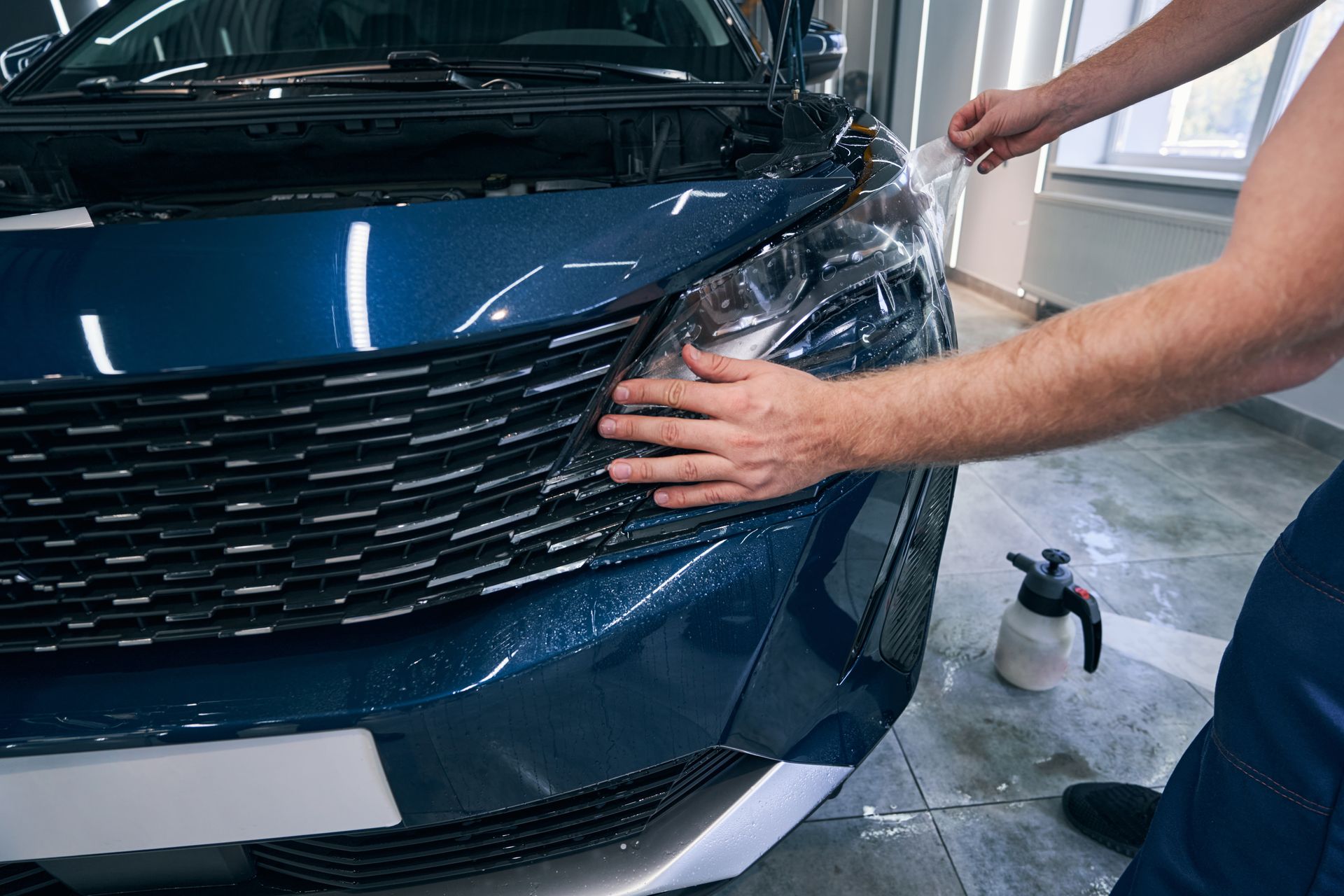
Considering window tinting for your vehicles? Contact Choice Window Tint at 317-854-5454 for quality auto window tinting services in Greenwood, Indiana. Your windows will be the envy of the parking lot, and you'll enjoy the ride in comfort and style for miles to come. We also offer full-service paint protection films and vinyl graphics! Schedule an evaluation, today!
Related Posts:
From UV Protection to Privacy: Explore the Many Advantages of Car Window Tint
Driving in Comfort: The Complete Guide to Car Tint Benefits
Unlocking the Benefits of FormulaOne® Auto Tint by LLumar®
share this
CHOICE WINDOW TINT
Related POSTS
OUR RECENT BLOGS
STAY UP TO DATE
GET The
LATEST
Receive the latest product and industry information from Choice Window Tint
Contact Us