Article
Gleaming Armor for Your Ride: PPF Coating Unveiled
In the world of car enthusiasts, few things spark debate like the best ways to protect a vehicle's paintwork. Enter PPF coating—a revolutionary solution that promises to keep your car looking as pristine as the day it left the showroom. Whether you're a seasoned gearhead or a proud vehicle owner keen on safeguarding your investment, this blog post is tailored just for you. We'll peel back the layers of PPF coating, exploring its many advantages, the science that makes it work, and how it stacks up against other protection methods. Buckle up as we drive through everything you need to know about PPF coating.
Introduction to PPF Coating What It Is and Its Benefits
Paint Protection Film, commonly known as PPF coating, PPF film, or automotive clear bra, is a thermoplastic urethane film applied to the painted surfaces of a vehicle. Originally developed to protect helicopter blades during the Vietnam War, this innovative technology has made its way to the automotive industry. The primary purpose of PPF coating is to shield your vehicle's paint from road debris, scratches, and those pesky UV rays that can fade your car's color over time.
The benefits of PPF coating are manifold. Firstly, it provides a nearly invisible shield, allowing your car's vibrant paintwork to shine through without any distortion. Secondly, PPF is self-healing, meaning minor scratches and swirls disappear with a little heat. Finally, this coating extends the life of your car's paint, which in turn can enhance resale value. For car enthusiasts who take pride in their vehicle's appearance, PPF coating is a game-changer.
Beyond aesthetics, PPF coating offers practical advantages too. It reduces the need for frequent waxing and polishing, saving you time and effort in car care. Plus, with advancements in technology, PPF films are now more durable and resistant to discoloration than ever before. For vehicle owners looking for a comprehensive solution to paint protection, PPF coating presents an unbeatable option.
Understanding the Science Behind PPF Coating
At its core, PPF coating is a marvel of modern science. This transparent film is composed of several layers, each contributing to its protective capabilities. The base layer adheres to the vehicle's paint, while a slick topcoat provides a glossy finish that enhances durability and resistance to contaminants.
The magic happens in the middle layer. Here, the film's self-healing properties come into play. When minor scratches occur, exposure to heat causes the film to soften slightly, allowing it to "heal" itself and restore its smooth surface. This remarkable feature keeps your vehicle looking fresh and flawless even after years of use.
UV resistance is another critical aspect of PPF films. The top layer of the film is infused with UV absorbers that prevent harmful rays from reaching your car's paint. This protection not only maintains the vibrancy of your car's color but also guards against long-term damage such as cracking or fading. By understanding the science behind PPF coating, vehicle owners can better appreciate its role in maintaining a showroom-like finish.
Types of PPF Coating and Their Applications
PPF coatings are not a one-size-fits-all solution; they come in various types, each tailored to specific needs and preferences. Standard PPF offers robust protection against common hazards like stone chips and bird droppings. It's the go-to choice for many vehicle owners seeking reliable, all-around coverage.
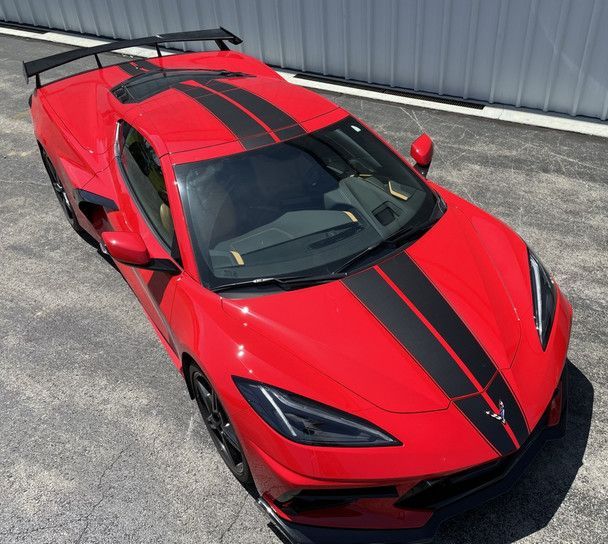
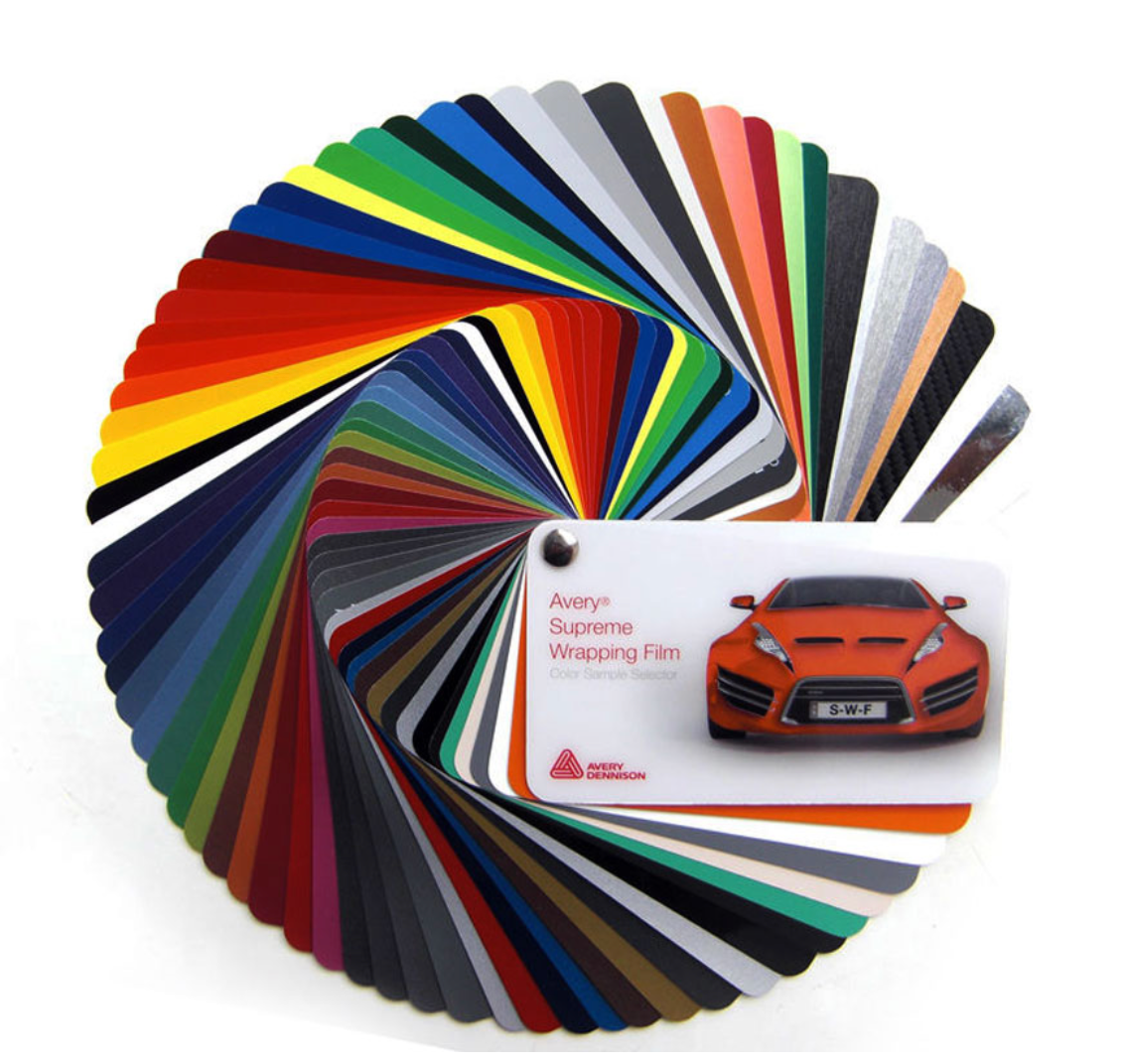
For those desiring an aesthetic edge, colored or textured PPF options are available. These films can transform your vehicle's appearance, adding a matte or satin finish without the permanence of a full repaint. This versatility allows car enthusiasts to experiment with their ride's look while still enjoying the benefits of paint protection.
Finally, there's the advanced ceramic PPF, which combines the qualities of traditional PPF with ceramic coating technology. This type offers superior hydrophobic properties, making it easier to clean and maintain. Whether you're a car enthusiast looking for a custom touch or a vehicle owner prioritizing ease of maintenance, there's a PPF option to suit your needs.
PPF Film vs. Other Protection Methods A Comparison
When it comes to vehicle protection, PPF film isn't the only player in the game. Ceramic coatings and wax applications are popular alternatives, each with its own set of advantages and drawbacks. Comparing these methods can help you make an informed decision about what's best for your vehicle.
Ceramic coatings are known for their chemical resistance and hydrophobic properties, providing a sleek, glossy finish that repels dirt and water. However, unlike PPF, ceramic coatings don't offer the same level of impact resistance. They're great for keeping your car clean but may not prevent chips and scratches from road debris.
Wax, on the other hand, is a traditional method that provides a glossy shine and basic protection. While it's easy to apply and relatively inexpensive, wax doesn't last long and requires frequent reapplication. Compared to PPF, wax is less durable and offers minimal protection against environmental hazards.
Ultimately, PPF film stands out for its comprehensive protection, combining the best features of both ceramic coatings and wax. It shields your vehicle from physical damage while maintaining a high-gloss finish, making it the preferred choice for car enthusiasts and vehicle owners seeking long-lasting results.
The PPF Coating Process What to Expect
If you're considering PPF coating for your vehicle, knowing what to expect during the application process can help ease any concerns. The process begins with a thorough cleaning of your car's surface to remove any contaminants that could interfere with adhesion.
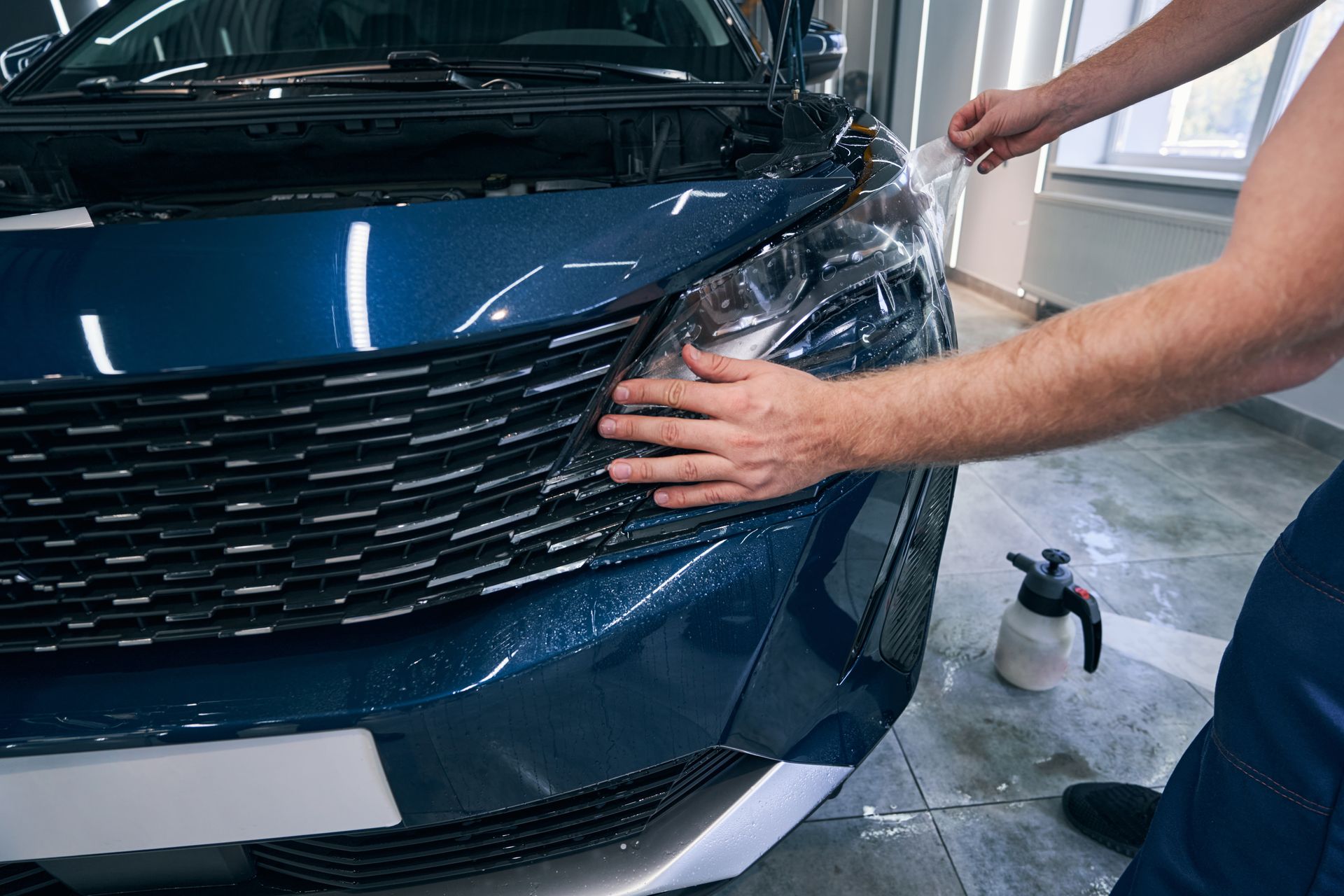
Once the vehicle is prepped, the PPF film is carefully applied by trained professionals. This step involves precise cutting and fitting to ensure seamless coverage, particularly around curves and edges. The film is then adhered to the paintwork using a special solution, which helps eliminate air bubbles and ensures a smooth finish.
After the application, the vehicle undergoes a curing period where the film fully bonds with the paint. Depending on the type of PPF, this can take a few days. During this time, it's essential to avoid washing your car or exposing it to extreme conditions. The result? A flawlessly protected vehicle ready to take on the road.
PPF Maintenance Tips for Long-Lasting Protection
Maintaining your PPF-coated vehicle is straightforward, but following a few key tips can ensure its longevity. Regular washing with a pH-balanced car shampoo helps remove dirt and grime without damaging the film. Avoid harsh chemicals and abrasive cleaning tools, which can scratch the surface.
For stubborn spots like bird droppings or sap, it's best to address them promptly. Use a gentle cleaner and a microfiber cloth to prevent staining or damage. Routine inspections of the film can also help identify and address any areas where the film may be lifting or bubbling.
Lastly, while PPF is designed to be low-maintenance, occasional detailing can enhance its appearance. A professional detailer can apply a protective sealant or wax specifically formulated for PPF, providing an extra layer of shine and protection. With these simple maintenance tips, your vehicle's PPF coating will continue to deliver exceptional results.
Conclusion
As the automotive world evolves, so too does the technology designed to protect it. PPF coating has emerged as a front runner in vehicle protection, offering unparalleled benefits to car enthusiasts and vehicle owners alike. Its blend of durability, aesthetics, and ease of maintenance makes it a worthwhile investment for anyone looking to preserve their vehicle's beauty and value.
By understanding the intricacies of PPF coating—from its scientific underpinnings to its practical applications—you can make an informed decision about incorporating it into your car care routine. Whether you're a seasoned enthusiast or a first-time vehicle owner, PPF coating offers a future-proof solution for keeping your ride in pristine condition.
Ready to explore the world of PPF coating further? Consider consulting with a professional installer to determine the best PPF options for your vehicle. With the right guidance, you can enjoy the peace of mind that comes with knowing your car is protected by the latest in paint protection technology.
To learn more about our PPF solutions and schedule a consultation in Greenwood, Indiana, get in touch with our team of professionals. Contact Choice Window Tint at 317-854-5454, today. Experience the ultimate level of paint protection for luxury cars and keep your vehicle looking stunning for years to come.
Related Posts:
Keep Your Ride Shining Bright: Facts About Automotive Paint Protection
Shielding Your Ride: The Advantages of Car Paint Protection Film
The Ultimate Guide to Paint Protection Film (PPF) for Luxury Cars
share this
CHOICE WINDOW TINT
Related POSTS
OUR RECENT BLOGS
STAY UP TO DATE
GET The
LATEST
Receive the latest product and industry information from Choice Window Tint
Contact Us