Article
Keep Your Ride Shining Bright: Facts About Automotive Paint Protection
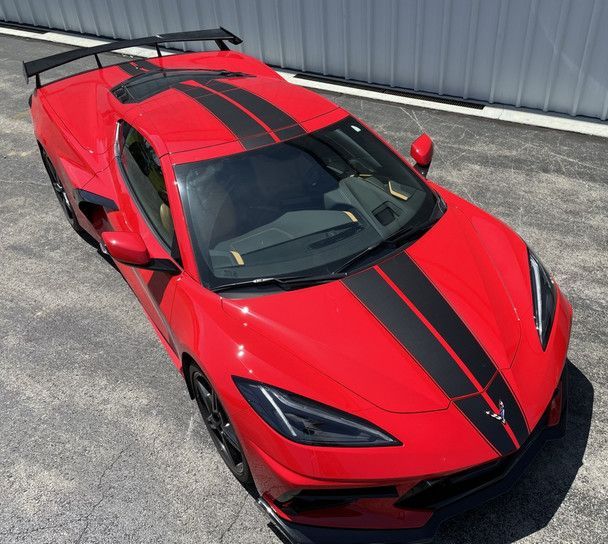
Every car enthusiast knows that a vehicle's paint is more than just its outer shell—it's a reflection of its owner's pride and passion. Over time, though, wear and tear can dull that gleaming finish, leaving your beloved ride looking less than its best. That's where automotive paint protection comes into play. Protecting your vehicle's paint isn't just about aesthetics; it's essential for maintaining your car's longevity and resale value.
Imagine driving your pristine car down the highway, only to have tiny rocks, harsh weather, and UV rays wreaking havoc on its exterior. Without proper protection, these elements can lead to scratches, fading, and even rust. But with the right safeguards in place, you can keep your car looking “showroom-new” for years to come. This blog explores the various options available for automotive paint protection, helping you choose the best solution for your prized possession.
From traditional waxes to advanced ceramic coatings, there are numerous ways to shield your car's paint. In the following sections, we'll break down the different methods, compare costs and effectiveness, and guide you on whether to DIY or seek professional help. By the end of this guide, you'll have the knowledge needed to make informed decisions about protecting your vehicle's paint, ensuring it remains a head-turner on the road.
Popular Types of Automotive Paint Protection
Paint Protection Films (PPF)
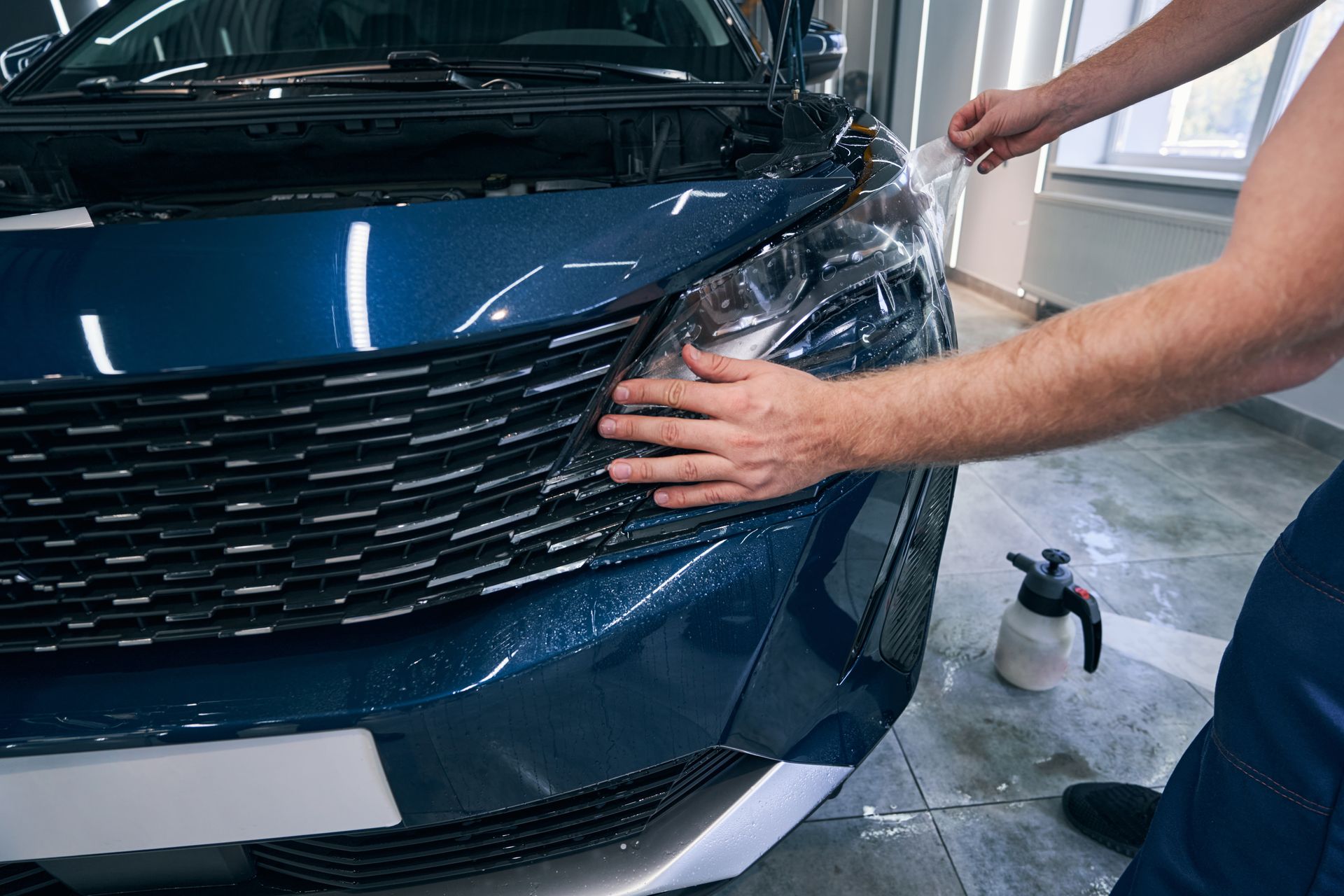
Paint Protection Films (PPFs), also known as clear bra or auto bra, are transparent, urethane films applied to the vehicle's surface. PPFs offer superior protection against scratches, chips, and other physical damage, making them popular among car owners who want to maintain a flawless finish. Brands like 3M and XPEL are industry leaders in providing high-quality PPFs.
One of the key benefits of PPFs is their self-healing properties. Minor scratches and blemishes can disappear with exposure to sunlight or heat. Although PPF installation can be costly, and not all car owners may find it financially viable, it is the best option across the board. Professional installation is highly recommended to ensure a seamless application and maximize the film's protective capabilities.
Wax
Wax is one of the oldest and most traditional forms of automotive paint protection. It's a favorite among car enthusiasts for its ability to enhance the shine and depth of a vehicle's paint. Waxes are typically made from natural ingredients like carnauba, and they create a protective layer that repels water and dirt. However, waxes require frequent reapplication, usually every few months, as they wear off relatively quickly.
While wax adds a beautiful gloss, it doesn't offer substantial protection against harsh elements. That's a significant disadvantage for those living in areas with extreme weather conditions or for vehicles that are exposed to the sun for extended periods. Wax is best suited for cars that are garaged, driven occasionally, and receive regular upkeep.
Sealants
Paint sealants are synthetic alternatives to waxes, designed to offer longer-lasting protection. They provide a shiny finish while offering enhanced durability compared to wax. Sealants form a protective shell over the paint, guarding against UV rays, oxidation, and minor scratches. With proper care, they can last up to six months before needing reapplication.
The major advantage of sealants is their ease of application and extended lifespan. They're ideal for daily drivers and vehicles frequently exposed to the elements. However, sealants generally lack the deep, warm glow that premium waxes and PPFs provide. For those prioritizing protection over aesthetic perfection, sealants are an okay choice.
Ceramic Coatings
Ceramic coatings are the latest innovation in automotive paint protection. These liquid polymers bond with the vehicle's paint at a molecular level, creating a semi-permanent protective layer. Ceramic coatings offer exceptional resistance to UV rays, chemicals, and environmental contaminants. They also enhance the paint's hydrophobic properties, making cleaning and maintenance a breeze.
The longevity of ceramic coatings is a significant advantage, often lasting several years with proper care. However, applying a ceramic coating requires meticulous preparation and precision, making professional application advisable. While ceramic coatings can be more expensive upfront, their long-term benefits make them an attractive option for car enthusiasts seeking a low-maintenance solution.
Comparing Cost and Effectiveness
Cost Analysis
When it comes to automotive paint protection, cost can vary significantly based on the chosen method. Wax is the most affordable option, with prices ranging from $20 to $50 per application. Sealants are slightly more expensive, typically costing between $50 and $100 per bottle, but they last longer, reducing the frequency of reapplication. Paint protection films and ceramic coatings are at the higher end of the spectrum. PPF installation can range from $500 to $5,000, depending on the vehicle's size and the coverage area. Ceramic coatings, when professionally applied, can cost anywhere from $500 to $2,000.
Effectiveness Levels
Effectiveness is another crucial factor to consider when choosing paint protection. Wax provides minimal protection and is best for aesthetic enhancement. Sealants offer improved protection against environmental elements, making them suitable for daily drivers.
PPFs provide the highest level of physical protection against scratches and chips, making them ideal for luxury or high-performance vehicles. Ceramic coatings excel in chemical resistance and hydrophobic properties, ensuring the car remains clean and glossy with minimal effort.
Finding the Right Balance
Choosing the right paint protection method ultimately depends on your priorities and budget. If you're seeking an affordable solution with moderate protection, wax or sealants may suffice. For those who prioritize maximum protection and are willing to invest in long-term solutions, PPFs and ceramic coatings are worth considering.
DIY vs. Professional Application
Dangers of DIY Application
Even for those who enjoy hands-on projects, DIY application of paint protection products can be a nightmare experience. Wax and sealants are not easy to apply, making them too advanced for novice car owners. DIY kits for ceramic coatings are also available, but they require careful preparation and attention to detail.
Overall, achieving a flawless finish with DIY application can be challenging, especially with products like PPFs and ceramic coatings. Mistakes can lead to uneven coverage or damage, diminishing the protection's effectiveness. DIY application is best for those with professional experience in car detailing.
Professional Application is best
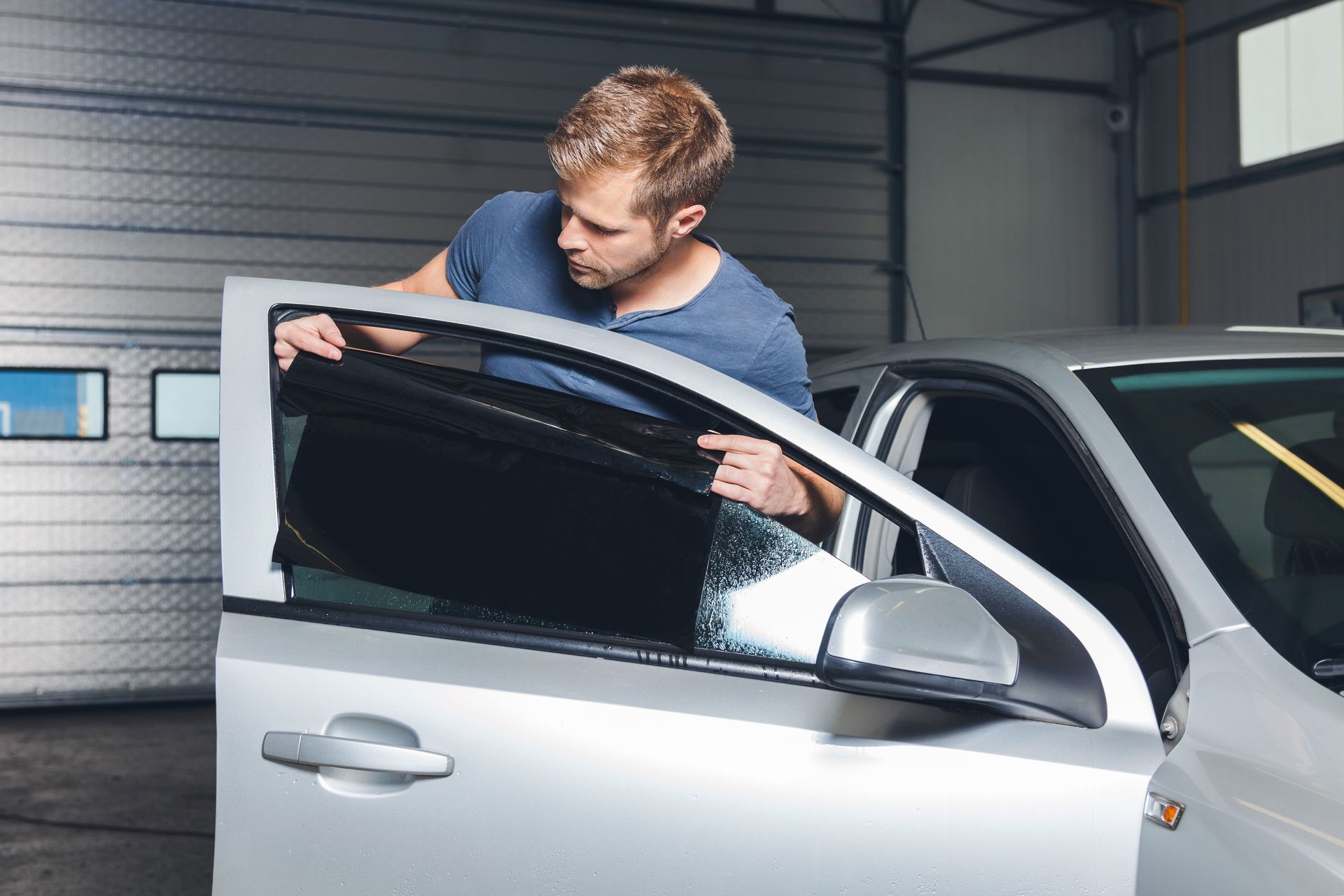
Professional application ensures precision and expertise, especially for advanced protection methods like PPFs and ceramic coatings. Trained technicians have the skills and equipment to apply these products flawlessly, maximizing their protective benefits. Additionally, professional installations often come with warranties, providing peace of mind.
While professional application involves higher upfront costs, it guarantees the best results and long-lasting protection. For car owners who value convenience and want to avoid potential pitfalls, hiring a professional is a wise investment. Professional application delivers superior results and convenience, albeit at a higher price.
Best Practices and Maintenance Tips
Regular Cleaning
Regardless of the paint protection method you choose, maintaining a clean vehicle is essential for preserving its appearance. Regularly wash your car using a pH-balanced car shampoo to remove dirt and contaminants. Avoid harsh chemicals and abrasive tools that could damage the protective layer. Proper cleaning not only enhances the longevity of the protection but also prevents contaminants from embedding into the paint. After washing, always dry the vehicle thoroughly to prevent water spots, which can mar the finish over time.
Gentle Detailing
When detailing your vehicle, use gentle techniques to avoid compromising the paint protection. Opt for microfiber towels and applicators to minimize the risk of scratching the surface. Apply products in thin, even layers, and use a random orbital polisher for a smooth, swirl-free finish. For ceramic-coated vehicles, periodic maintenance with a silica spray or topper can rejuvenate the coating's hydrophobic properties. It's also important to follow the manufacturer's recommendations for maintenance and reapplication to ensure optimal performance.
Periodic Inspections
Regular inspections are crucial for maintaining the effectiveness of your paint protection. Check for signs of wear, damage, or contamination, and address any issues promptly. Reapply products as needed to ensure continuous protection. For PPFs and ceramic coatings, consult a professional if you notice peeling, bubbling, or discoloration. Timely intervention can prevent further damage and extend the protection's lifespan, keeping your car looking its best.
Conclusion
Automotive paint protection is a vital aspect of maintaining your vehicle's appearance and value. From traditional waxes to cutting-edge ceramic coatings, each method offers unique benefits and levels of protection. By understanding the options available and their cost-effectiveness, you can make an informed decision that aligns with your preferences and budget.
Whether you choose DIY or professional application, proper maintenance is key to ensuring the longevity and effectiveness of your paint protection. Regular cleaning, gentle detailing, and periodic inspections will keep your car looking pristine for years to come.
For car enthusiasts and owners alike, investing in paint protection is a smart choice that safeguards your vehicle's beauty and performance. For personalized advice and a professional touch, consider consulting an expert in automotive paint protection. With the right approach, you can keep your ride shining bright and turning heads on every drive.
To learn more about automotive paint protection solutions and schedule a consultation in Greenwood, Indiana, get in touch with our team of professionals. Contact Choice Window Tint at 317-854-5454, today. Experience the ultimate level of paint protection for luxury cars and keep your vehicle looking stunning for years to come.
Related Posts:
Invisible Armor: The Comprehensive Benefits of Automotive Clear Bra
Everything You Wanted to Know About PPF for Your Vehicle
Paint Protection Films for Vehicles: The Ultimate Guide for Car Enthusiasts
share this
CHOICE WINDOW TINT
Related POSTS
OUR RECENT BLOGS
STAY UP TO DATE
GET The
LATEST
Receive the latest product and industry information from Choice Window Tint
Contact Us