Article
Defend Your Vehicle’s Exterior with Paint Protection Films
Every car enthusiast knows that the love for a vehicle goes beyond just driving it. It’s about maintaining that pristine look and feel, ensuring every curve and surface remains as flawless as the day it rolled off the showroom floor. But as you take your beloved car out on the roads, it faces countless threats—from harsh weather conditions to flying debris, bird droppings, and even the sun’s relentless rays. Enter paint protection films (PPFs), the unsung heroes of car care, ready to shield your vehicle from the daily grind. In this post, we’ll explore the fascinating world of paint protection films, their benefits, installation process, costs, and more. Whether you’re a seasoned car aficionado or a new driver wanting to keep your ride in top shape, this guide is for you.
Introduction to Paint Protection Films (PPF)
Paint protection films, often referred to as PPFs or Clear Bras, are transparent layers applied to a vehicle's surface. They act like invisible armor, preserving the car’s paint from external damages. While initially developed for military use, these films have become a staple in the car care industry.
For vehicle owners, PPFs represent an evolution in how we protect our prized possessions. The technology behind these films has advanced significantly, offering not just protection but also enhancement of the car's appearance. Imagine your vehicle gleaming under the sun, without a scratch or blemish in sight—PPFs make that dream a reality.
Benefits of PPF for Vehicle Owners
One of the primary reasons car enthusiasts turn to paint protection films is the unparalleled benefits they offer. To start, PPFs provide a robust shield against environmental hazards. From tiny pebbles to the fierce UV rays, these films absorb the brunt of the damage, keeping your car's paint intact.
Furthermore, PPFs enhance your vehicle's aesthetic appeal. By maintaining the original paint job, they ensure your car retains its glossy, showroom finish. This not only boosts your pride of ownership but also increases the resale value of your vehicle—a testament to the long-term investment value PPFs bring.
Lastly, the convenience of having PPFs cannot be overstated. Unlike other forms of car protection, PPFs require minimal maintenance. Once applied, you can enjoy the peace of mind knowing your car is protected, allowing you to focus on enjoying the drive.
Different Types of PPF and Their Features
Not all paint protection films are created equal. There are several types of PPFs available, each with distinct features designed to cater to different needs.
First up is the standard PPF, which offers basic protection against scratches and minor abrasions. Ideal for everyday drivers, this type ensures your vehicle remains shielded from common wear and tear. For those seeking something more robust, there are high-performance PPFs. These films incorporate advanced technology to provide superior resistance against harsh conditions and chemicals.
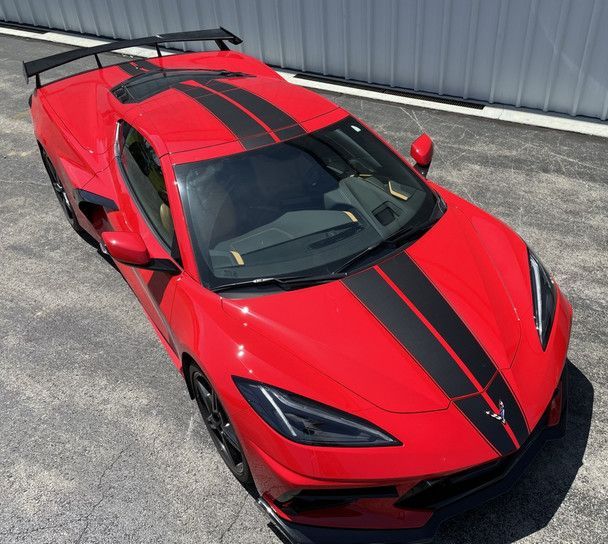
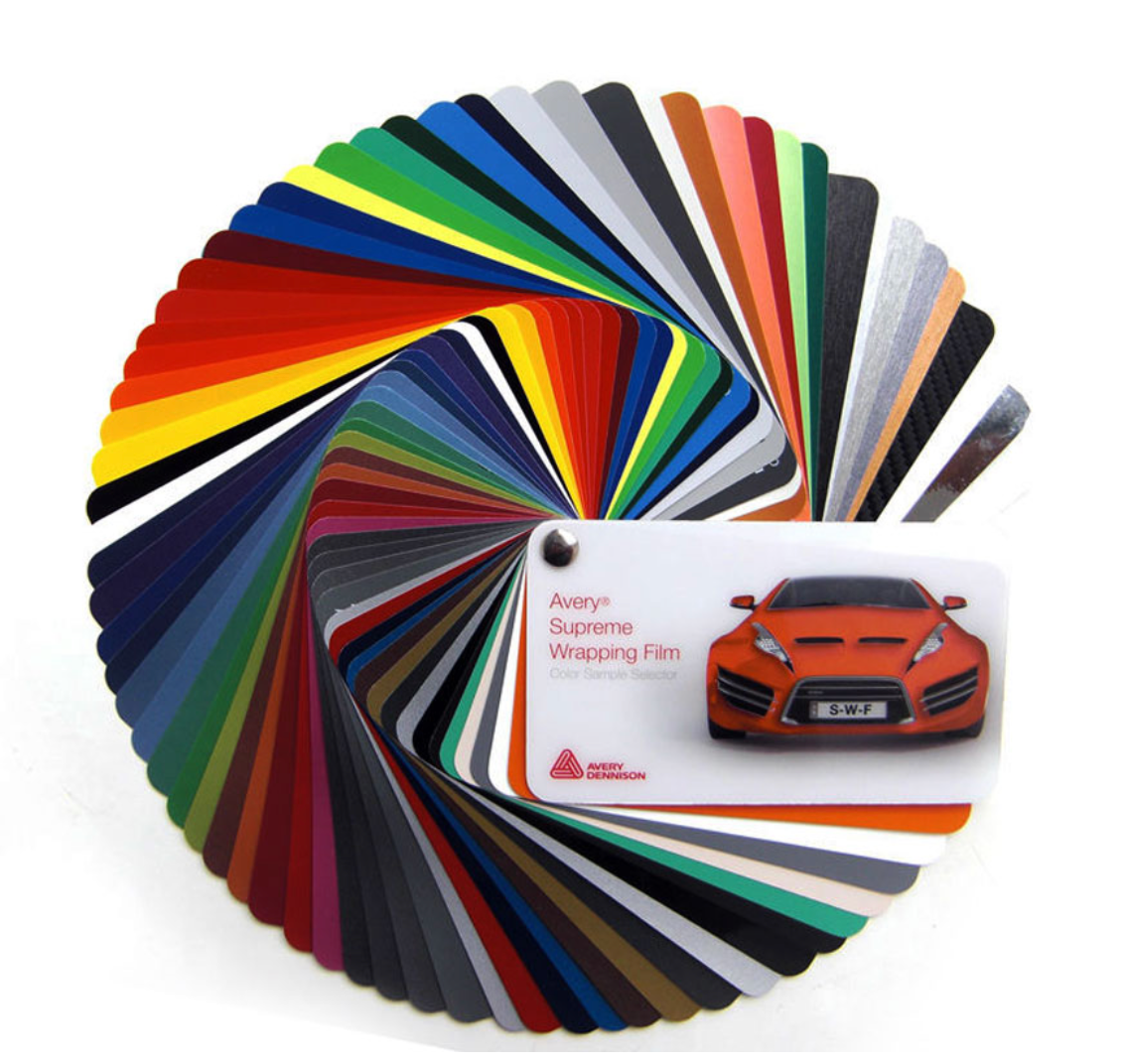
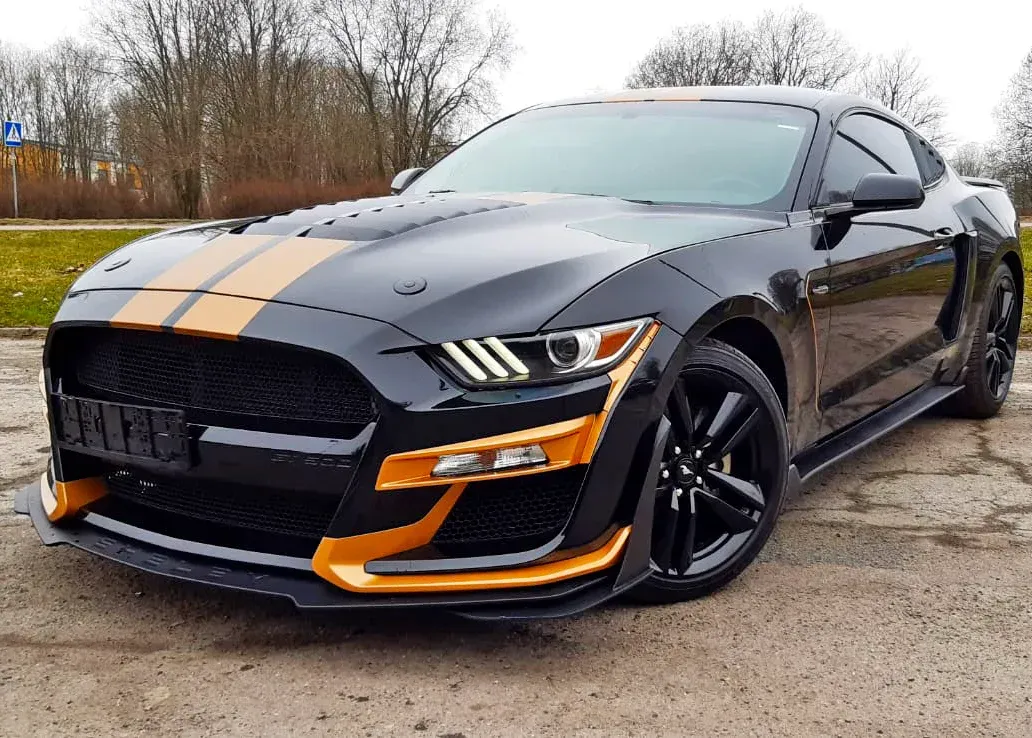
Colored and textured PPFs are also an option for those looking to add a personal touch. These films not only protect but also allow customization of your vehicle’s appearance. Whether you desire a matte finish or a high-gloss sheen, there's a PPF to match your aesthetic preferences.
Understanding these differences helps vehicle owners make informed decisions when selecting the best PPF for their cars, ensuring they receive the protection and style they desire.
PPF Installation Process and Costs
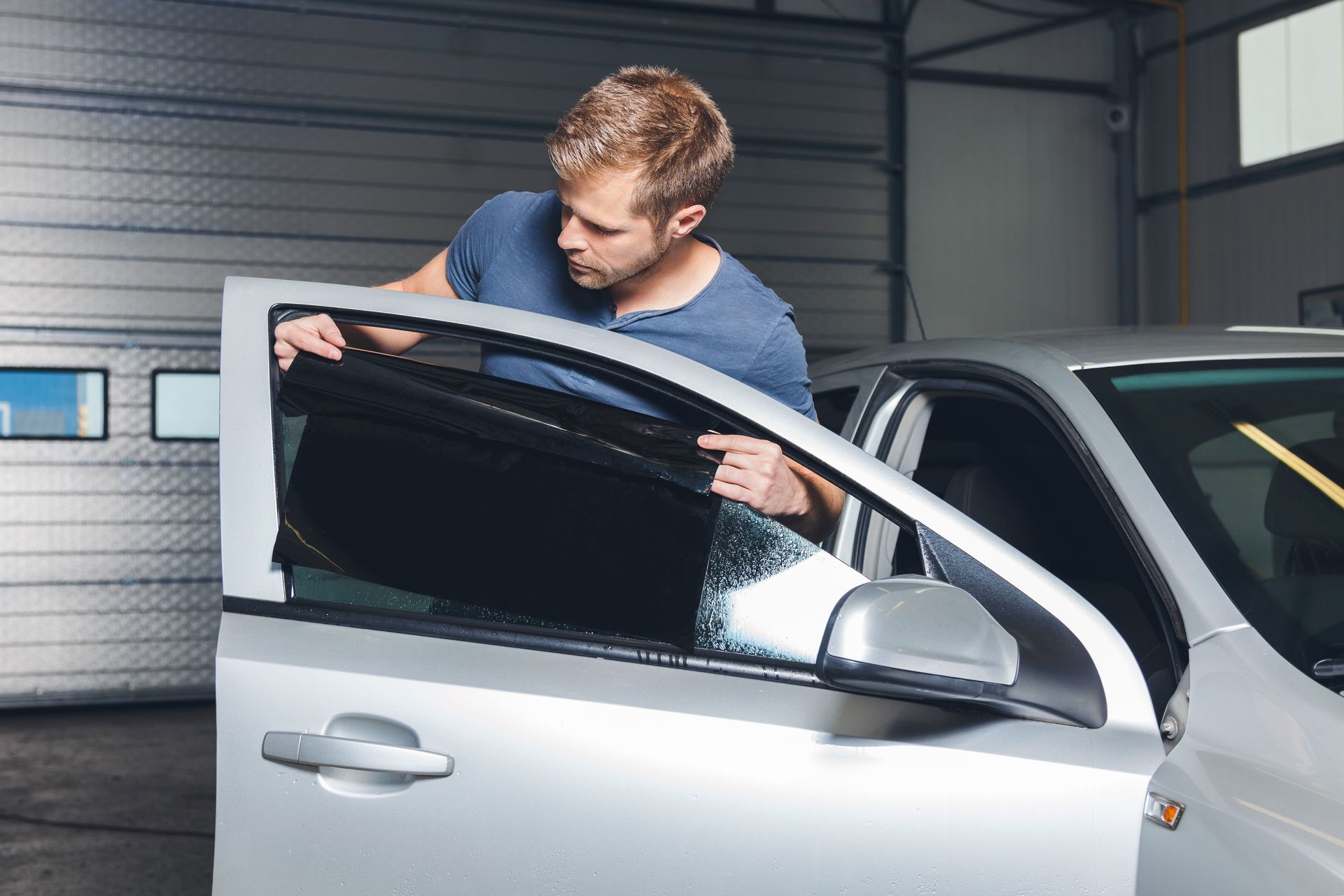
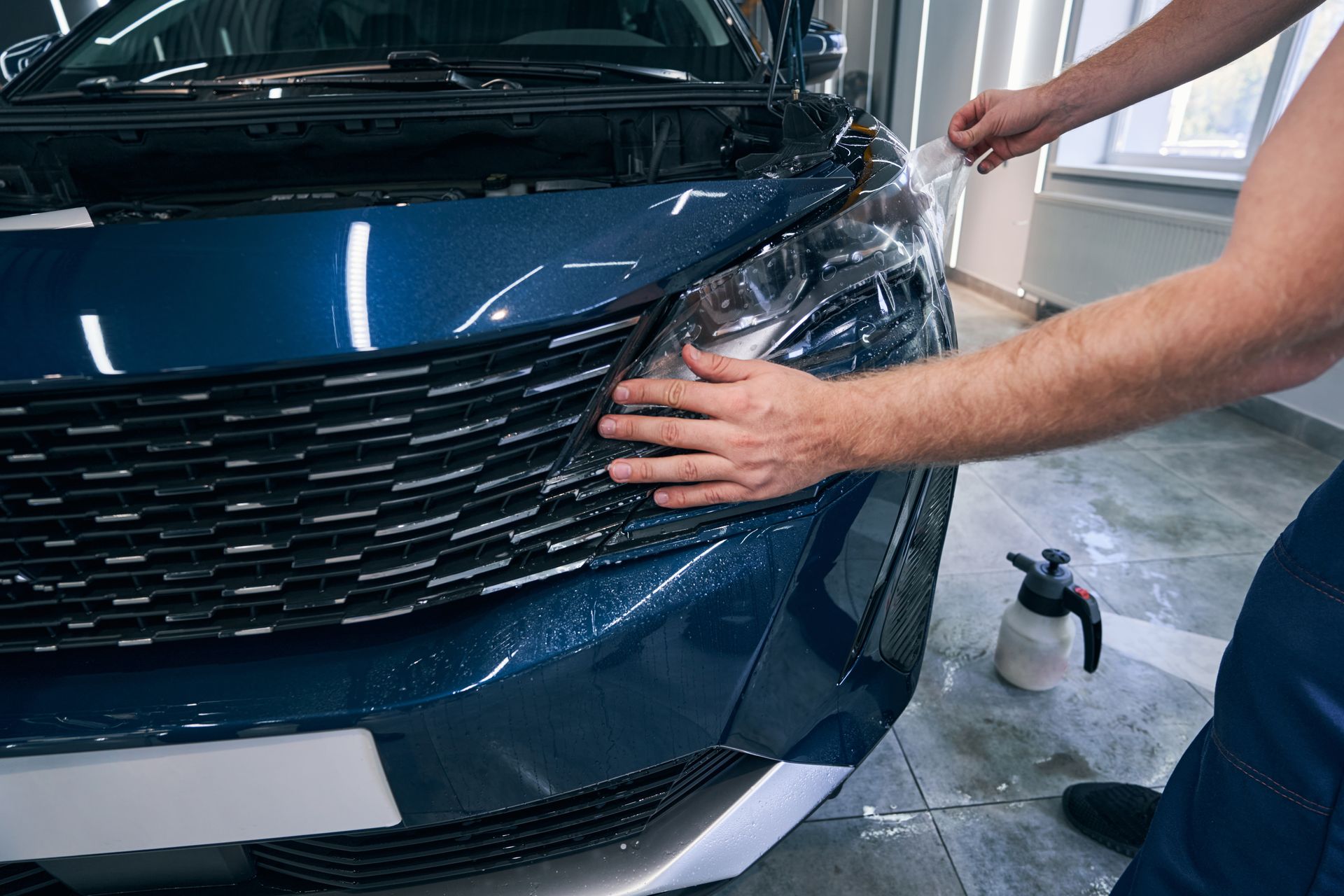
Installing a paint protection film is a meticulous process that requires precision and expertise. The first step involves thorough cleaning of the vehicle’s surface to ensure it’s free of dirt and dust. This step is crucial, as any debris trapped beneath the film can lead to imperfections.
Next, professional installers carefully apply the film to the vehicle. The film is cut to fit the contours of the car, ensuring a seamless application. Skilled technicians use a combination of heat and pressure to bond the film to the paint, guaranteeing a perfect fit without any bubbles or creases.
When it comes to costs, several factors influence the price of PPF installation. The size of the vehicle, type of film selected, and the intricacy of the application all play a role. On average, prices can range from $500 for partial coverage to over $5,000 for full vehicle wraps. Despite the upfront costs, many car enthusiasts consider PPF a worthwhile investment for the longevity and protection it offers.
Maintenance and Longevity of PPF
One of the standout attributes of paint protection films is their durability. Most high-quality PPFs are designed to last between 5 to 10 years, depending on environmental conditions and maintenance. To maximize the lifespan of your PPF, regular care is essential.
Routine washing helps maintain the film's clarity and gloss. Use mild soap and water, and avoid abrasive materials that could scratch the surface. It's important to steer clear of harsh chemicals, as they can degrade the film over time.
If any damage does occur, such as minor scratches or stains, many modern PPFs possess self-healing properties. Applying gentle heat, like warm water or sunlight, often helps the film repair itself, maintaining its seamless finish.
Additional Tips for Protecting Your Vehicle's Finish
Beyond PPF, there are other steps vehicle owners can take to ensure their cars remain in pristine condition. Regular waxing complements PPF by adding an extra layer of shine and protection. Opt for waxes that are compatible with PPF to avoid any potential damage.
Parking in shaded areas or using a car cover when not in use helps protect your vehicle from the sun’s UV rays and environmental pollutants. Additionally, investing in quality floor mats and seat covers keeps the interior as spotless as the exterior.
By combining these proactive measures with PPF, you can enjoy a comprehensive car care routine that preserves both the beauty and value of your vehicle.
Frequently Asked Questions about PPF
What is the difference between paint protection film and ceramic coating?
While both offer surface protection, PPF is a physical barrier that absorbs impacts, whereas ceramic coating is a liquid polymer that provides a chemical resistance layer. Many car enthusiasts choose to apply both for maximum protection.
Can I install PPF myself?
While DIY kits are available, professional installation is recommended for optimal results. Professionals have the tools and expertise to ensure a flawless application, minimizing the risk of bubbles or misalignment.
Will PPF affect the color of my car?
High-quality PPFs are designed to be virtually invisible, preserving the original color and gloss of your vehicle’s paint. Some films even enhance the paint’s appearance, providing additional depth and shine.
Conclusion
Paint protection films represent the pinnacle of vehicle care for enthusiasts who want to safeguard their investment while enhancing their car’s aesthetic appeal. From the diverse types to the seamless installation process, PPFs are a game-changer for anyone serious about car care.
If you're ready to take your vehicle's protection to the next level, consider scheduling a consultation with a professional PPF installer. Discover firsthand how this innovative solution can transform the way you care for your car. Whether you're protecting a classic cruiser or a modern marvel, PPFs offer the peace of mind that comes with knowing your vehicle is always at its best.
To learn more about PPF solutions and schedule a consultation in Greenwood, Indiana, get in touch with our team of professionals. Contact Choice Window Tint at 317-854-5454, today. Experience the ultimate level of automotive paint protection and keep your ride looking spectacular for years to come.
Related Posts:
Invisible Armor: The Comprehensive Benefits of Automotive Clear Bra
Everything You Wanted to Know About PPF for Your Vehicle
The Ultimate Guide to Paint Protection Film (PPF) for Luxury Cars
share this
CHOICE WINDOW TINT
Related POSTS
OUR RECENT BLOGS
STAY UP TO DATE
GET The
LATEST
Receive the latest product and industry information from Choice Window Tint
Contact Us